2026-08-14
How to Mass Produce Embroidered Patches with Embroidery Machines? A Complete Standardized Mass Production Guide
Introduction
Embroidered patches are widely used on work uniforms, school apparel, outdoor gear, bags, footwear, clothing brand merchandise and more. Orders under 500 pieces can be processed with single-head or double-head embroidery machines. When order volumes reach 500, 1,000 or even 10,000 pieces, production capacity bottlenecks no longer stem from embroidery machine speed, but from the lack of a standardized, continuous end-to-end production system. Supported by quantified production data, equipment selection parameters and standardized process specifications, this article breaks down the full mass production solution for embroidered patches, delivering actionable references for factory production line planning, capacity calculation and auxiliary equipment configuration.
1. What Standard Processes Are Included in High-Volume Embroidered Patch Production?
Mass production of embroidered patches covers nine core procedures. Fully automated production lines enable multi-process linkage to cut labor time spent moving semi-finished goods: Vector pattern design → Embroidery digitizing → Base fabric prepping & stocking → Bulk framing → Multi-head synchronized embroidery → Heat-activated adhesive lamination & heat pressing (optional) → Cutting → Merrow edging / border finishing → Batch quality inspection & packaging
Total daily output of the whole line is limited by the slowest single process. Simply speeding up embroidery cannot raise overall shipment volume; balanced capacity across all processes is mandatory.
Process setups differ across patch types, each suited for distinct order sizes:
-
Standard Embroidered Patches Base materials include twill, felt and polyester fabric. Only embroidery, cutting and edging are required. Ideal for regular orders of 500–5,000 pieces such as brand badges and school emblems.
-
Iron-On Embroidered Patches Two extra steps—adhesive film lamination and constant-temperature heat pressing—are added post-embroidery. Continuous film laminating heat presses are required for orders over 1,000 units, making this the top patch style for custom e-commerce businesses.
-
Sew-On Patches Without Adhesive No glue application step, delivering the shortest workflow and lower per-unit labor cost. Perfect for recurring stable orders of over 10,000 pieces, with superior wash durability compared to iron-on variants.
-
3D Puffy Embroidered Patches Foam inserts are layered under embroidery, demanding tighter control over stitch design and routing. Digitizing complexity rises by over 30%. Process constraints cap stable daily output at roughly 3,000 pieces, making this style unsuitable for bulk orders of 100,000 pieces or more.
2. Which Embroidery Machines Are Suitable for Mass Manufacturing Embroidered Patches?
2.1 Single / Double-Head Machines Only Fit Small-Batch Orders
We use a standard 50mm×70mm embroidered patch with 8,000 total stitches as the calculation sample. At an effective machine speed of 700 stitches per minute, pure embroidery takes a theoretical 11.4 minutes per frame. Adding time for frame changes, thread breaks, color switches and manual loading/unloading, one full production cycle takes around 18 minutes.
Based on an 8-hour effective workday, maximum daily output hits only 267 pieces, adequate solely for daily volumes under 500. For orders exceeding 1,000 units, repeated manual framing and material handling become the primary capacity bottleneck.
2.2 6 / 8 / 12 / 15 Multi-Head Embroidery Machines Are Core Mass Production Equipment
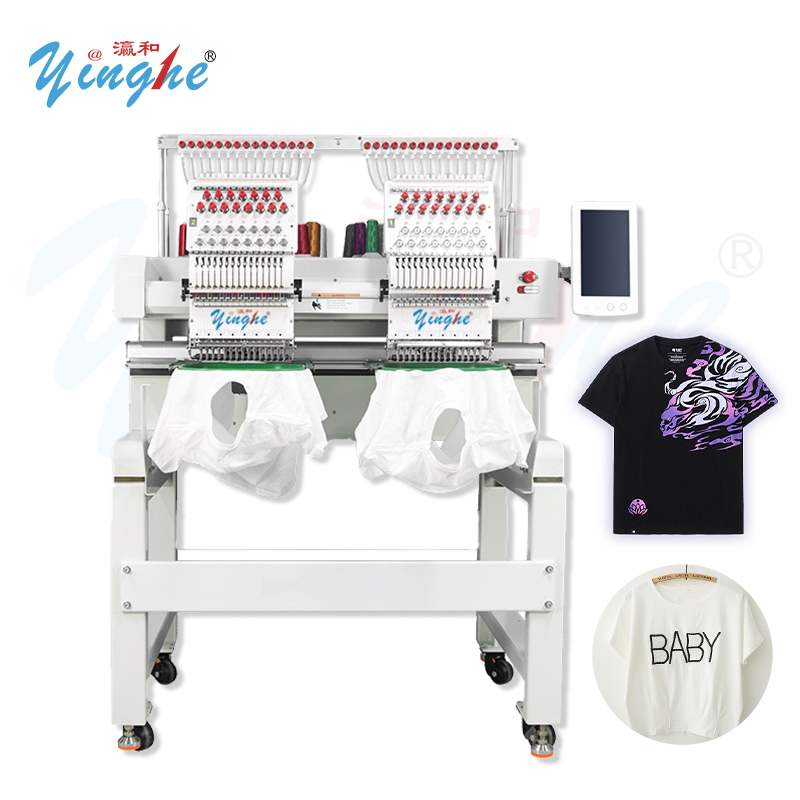
The key advantage of multi-head units is simultaneous embroidery across all heads after one framing setup. Taking a 12-head embroidery machine as an example: all 12 heads stitch identical 8,000-stitch patches in parallel, outputting 12 patch sets per cycle. After accounting for downtime from color changes, machine halts and manual labor, baseline capacity reaches 10–11 times that of a single-head machine within the same working hours.
Actual output cannot be calculated by simply multiplying single-head capacity by head count, due to five consistent efficiency losses: time spent reframing and reloading fabric, frequent thread color stops for multi-color artwork, machine downtime from broken needles and threads, labor time moving semi-finished goods for pre-inspection, and mismatched throughput between embroidery and downstream cutting/gluing stations.
2.3 Equipment Matching Standards Grouped by Daily Output
-
Small batch (dozens to 500 pieces/day): Single / double-head embroidery machines paired with manual scissor cutting, for small custom studios.
-
Medium batch (500–2,000 pieces/day): 6–8 multi-head embroidery machines with multi-layout large hoops plus one laser cutter, standard configuration for dedicated embroidered patch manufacturers.
-
Large batch (2,000–10,000 pieces/day): High-speed 12–15 head embroidery machines, multiple large-format embroidery hoops, dual-station laser cutters and continuous adhesive laminating heat presses, forming a fully supported automated production line.
3. Why Is Layout Hooping the Critical Step to Boost Embroidered Patch Mass Production Efficiency?
Layout maximizes usable embroidery hoop space and drastically cuts repetitive framing labor. Below is a quantified comparison: Standard patch size: 50mm×70mm; effective hoop working area: 400mm×500mm. Option 1: Only one patch per hoop. Fulfilling a 3,000-piece order requires 3,000 full framing, stitching and unloading cycles. Option 2: Reserve 15mm safety gaps for cutting and edging, arrange patches in a 5-row × 6-column grid to produce 30 patches per hoop. The same 3,000-piece order only needs 100 production cycles, cutting framing labor workload by 96.7%.
Mandatory layout parameters for mass production:
-
Minimum gap between adjacent patches ≥15mm to leave room for laser cutting and merrow edging.
-
Minimum safety margin from any patch edge to the inner hoop frame ≥20mm, preventing presser foot collisions and fabric stretching distortion.
-
Gaps cannot be reduced if laser cutting is used, to avoid cutting offset damaging neighboring semi-finished patches.
-
Dense full-fill embroidery pulls fabric more easily and causes deformation; add an extra 5mm to patch spacing for heavy stitch designs.
4. What Standard Digitizing Optimizations Are Required for Scaled Embroidered Patch Manufacturing?
Digitizing parameters for embroidered patches differ significantly from direct garment embroidery. Factories handling long-term mass runs must build standardized master production files storing all specs: vector artwork source files, DST/PES embroidery files, patch dimensions, stitch density, underlay settings, embroidery thread color codes, base fabric type, cutting parameters, heat press temperature and dwell time for adhesive backing. Repeat orders can pull all saved specs directly, eliminating repeated machine setup hours.
Three core quantified control metrics for digitizing:
-
Stitch Density Standard badge patch density is controlled at 70 stitches per square centimeter. Densities below 50 stitches/cm² expose base fabric. Densities above 90 stitches/cm² cause thread buildup and fabric warpage, raising needle breakage rates by 40% and extending single-piece embroidery time by 20%.
-
Underlay Stitching Base underlay stitches are mandatory to stabilize fabric and disperse embroidery tension. Factories following underlay standards hold semi-finished deformation scrap rates under 0.3%; scrap rates exceed 1.7% for processes skipping underlay.
-
Border Stitch Pre-Setup Add a 1mm outward offset outline stitch for laser-cut patches; reserve a 3mm border zone in digitizing for merrow edging patches to align with standard edging machine stitch spacing.
5. How to Match Post-Production Cutting, Adhesive Lamination and Edging Capacity to Avoid Bottlenecks Behind Embroidery?
5.1 Quantified Capacity Comparison Between Two Cutting Methods
Manual scissor cutting: One worker finishes roughly 1,200 patches over an 8-hour shift. Efficiency drops by 40% for irregular shapes such as circles and shield emblems, with a daily processing ceiling of 1,500 pieces. This method creates a clear bottleneck when daily order volume exceeds 2,000 units. Automatic laser cutting: A single laser cutter delivers stable output of 3,500–4,500 patches per 8-hour shift, with dimensional tolerance ≤0.2mm for complex irregular outlines and zero need for manual touch-ups. Production lines hitting 5,000 daily pieces should deploy two laser cutters in parallel to eliminate cutting-stage delays.
5.2 Standard Equipment Setup for Mass Iron-On Adhesive Application
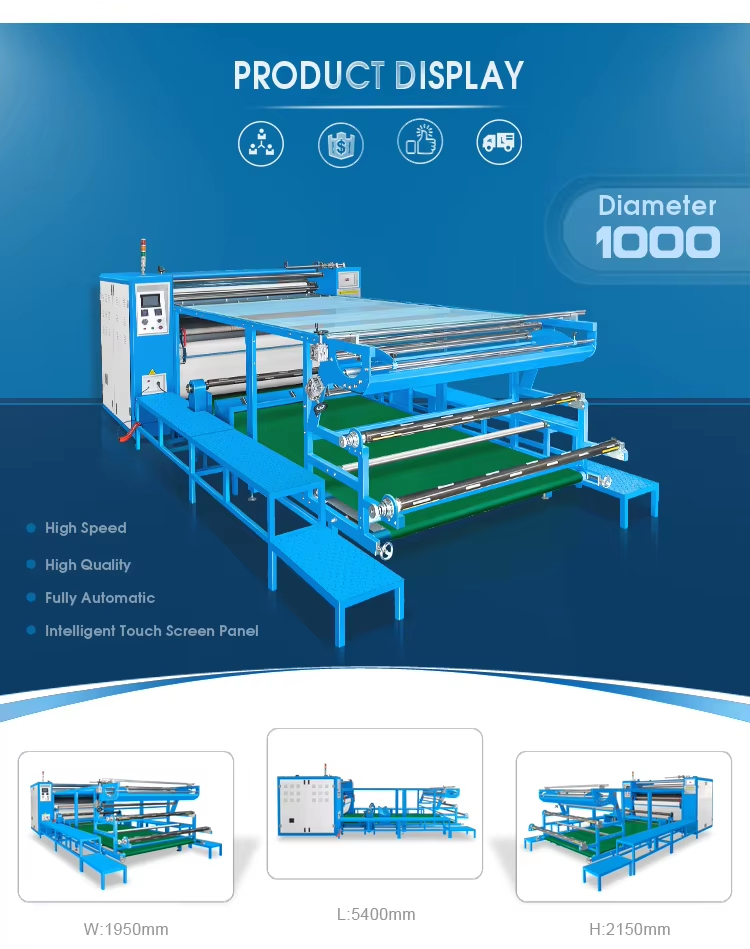
Full workflow for iron-on patch adhesive treatment: Embroidered semi-finished patches → Full coverage heat-activated adhesive film lamination → Heat pressing at constant 150°C for 12 seconds → Air cool setting → Unified cutting. Single-station flat heat presses suffice for small batches. For daily volumes above 2,000 pieces, switch to continuous roller laminating heat presses, cutting manual labor input by 60% and compressing per-unit heat press processing time to under 2 seconds.
5.3 Output Differences Between Two Edge Finishing Solutions
Laser hot cutting: High automation, ideal for 10,000+ piece mass runs with no extra labor and clean uniform patch borders. Merrow edging: Delivers premium visual texture, yet one edging machine operated by a single worker only completes around 2,200 patches per 8-hour shift. Multiple parallel edging machines must be deployed simultaneously for orders over 10,000 pieces.
6. How to Accurately Calculate Actual Daily Production Capacity of an Embroidered Patch Line?
Calculating output purely based on machine speed generates major inaccuracies. All downtime losses across the workflow must be included, following this standard logic: Total time per production cycle = Pure embroidery runtime + Average downtime for color switches / thread breaks + Manual framing & unloading time Output per cycle = Number of patches laid out per embroidery hoop Daily effective output = (Total available minutes per shift ÷ Time per full cycle) × Patches per hoop × Number of embroidery machine heads
Standard Calculation Example
Base parameters: 50×70mm patch with 8,000 total stitches; embroidery machine effective speed 700 stitches per minute; 12-head embroidery unit; 24 patches laid out per hoop; theoretical pure embroidery runtime 11.4 minutes; full cycle runtime including all losses = 22 minutes. Total output per cycle: 12 heads × 24 patches = 288 patches Total cycles in an 8-hour shift: 480 mins ÷ 22 mins ≈ 21.8 cycles Maximum theoretical daily output: 21.8 × 288 ≈ 6,278 patches After deducting downtime from machine faults and quality rework, stable daily line capacity lands between 5,000 and 5,800 pieces.
7. Which Key Stages Require Optimization to Sustain 10,000-Piece Daily Mass Production?
Formula for total daily line output: Total Daily Production = Embroidery Capacity × Hoop Layout Utilization × Loading / Unloading Labor Efficiency × Downstream Process Capacity Matching Rate × Overall Equipment Effectiveness (OEE) Insufficient throughput at any single process drags down total shipment volume. The five highest-priority optimization areas ordered by impact:
-
Refine multi-patch hoop layout to raise output per framing setup and cut labor hours spent repeated re-hooping.
-
Match embroidery head count to regular order size; select 12-head or higher high-speed machines for consistent 10,000-piece bulk orders.
-
Deploy matching cutting, heat press and edging equipment to balance throughput across upstream and downstream stations and remove capacity bottlenecks.
-
Build unified standardized master production parameter files to reuse specs for repeat orders, eliminating digitizing and machine setup time.
-
Optimize thread, base fabric and digitizing designs to reduce thread/needle break downtime and lift overall equipment effectiveness above 85%.
8. What Does a Mature Production Line Look Like for 5,000–10,000 Patches Per Day?
Full automated high-volume workflow sequence: High-speed 12-head multi-needle embroidery machine (multi-layout large-hoop bulk embroidery) ↓ Dual-station automatic laser cutting for parallel semi-finished patch processing ↓ Continuous roller heat-activated adhesive laminating & pressing unit (dedicated for iron-on embroidered patches) ↓ Multiple parallel automatic merrow edging machines (optional for premium badge-style patches) ↓ Centralized manual quality inspection station (screening dimensional errors, stitch defects and border flaws) ↓ Automated batch sorting & packaging This production line cuts labor dependency by 50% and reduces comprehensive per-unit manufacturing cost by 18%, suited for consistent long-term bulk orders from apparel brands and outdoor goods suppliers.
Conclusion
The core of mass-producing embroidered patches does not lie in simply cranking up embroidery machine RPM. Stable high-volume manufacturing relies on standardized digitizing, high-density multi-patch hoop layout, multi-head embroidery mainframes and automated post-production equipment to build a balanced production line. Manufacturers can select matching embroidery machines and auxiliary processing gear based on average daily order volume, archive complete standardized production parameter sets, and align throughput across embroidery, cutting, adhesive lamination and edging stations to achieve stable, cost-effective continuous production for 10,000-piece bulk orders.