
2026-07-06
Embroidery Machine Buying Guide for Beginners | 5 Common Mistakes to Avoid
Many new buyers are unhappy with their first embroidery machine. They choose machines based on low prices, flashy specs or popular online reviews. In the end, their machines often skip stitches, break needles, limit their project ideas, or cost them extra money to fix and maintain.
Embroidery machines are precise tools, not simple home gadgets. Many sellers use false specs and tricky marketing to fool buyers. New users do not know the industry, so they easily fall for these lies.
This article lists the 5 biggest and most expensive mistakes new embroidery machine buyers make. All points come from real user problems, with clear results and easy tips to fix them. No matter if you embroider for fun, custom clothes, or small business work, this guide will help you pick the right machine and save money.
Mistake 1: Chasing High SPM Speed (Fake Speed Specs)
Many new buyers think higher SPM (stitches per minute) means a better, faster, higher-quality machine. This is a common wrong idea when shopping for embroidery machines.
Most cheap machines show high SPM numbers, but these numbers areonly for empty running. Sellers test the speed when the machine runs with no fabric and no stitching work. The real speed when embroidering is much slower.
What you will get: Cheap machines with fake high-speed specs have light, weak frames. When running fast, the machine shakes a lot. This makes stitches skip, needles break, and designs bend or shift. Shaky long-time use loosens inner parts, makes the machine wear out fast, and causes frequent problems.
Simple truth: Stability is more important than speed for new users. Good embroidery work needs a strong frame and steady parts, not the highest speed. You do not need super fast speed for home projects or small custom work.
Buying tip: 500–800 real stitching SPM is enough for home embroidery. Always ask sellers if the speed is empty running speed or real stitching speed. Choose heavy, stable machines instead of cheap machines with only good-looking numbers.
Mistake 2: Choosing Too Small Embroidery Hoops (Limited Project Size)
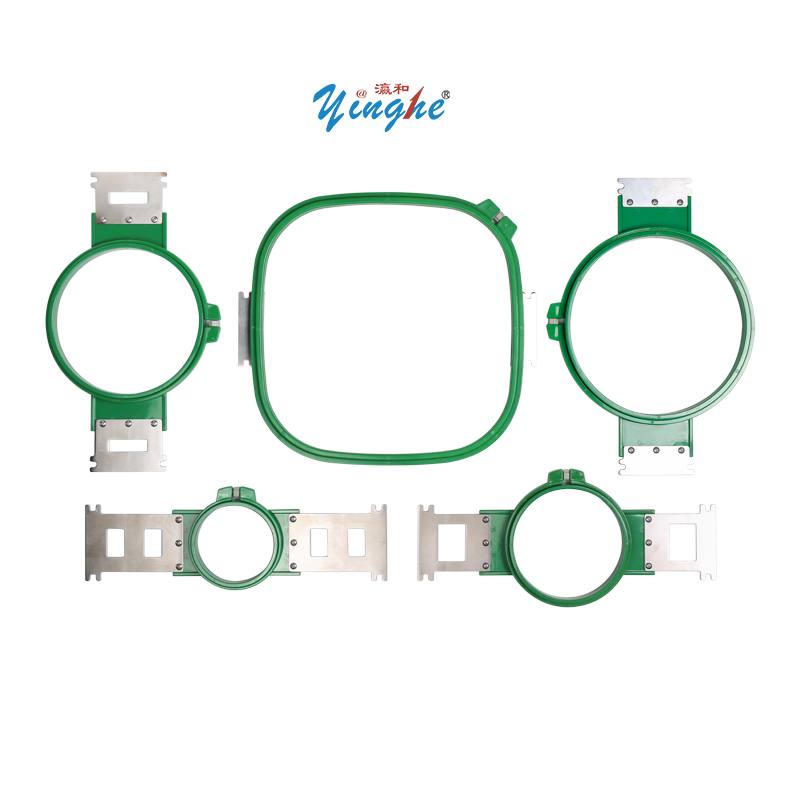
Many new users buy small cheap machines with 4×4 inch hoops for practice. They think they can upgrade to bigger hoops later, but this is not possible.
What you will get: Small hoops only work for tiny logos, name tags and mini designs. You cannot embroider large shirt back patterns, pillowcases, tote bags or full clothing designs. Most new users outgrow small machines in 2 to 3 weeks. Once your skills get better, you cannot do bigger projects or take larger orders. You will have to sell your old machine and buy a new one.
Simple truth: Embroidery size is fixed by the machine hardware. You cannot make the embroidery area bigger by changing parts. Hoop size matters more than speed, screen size or machine look.
Buying tip: Always pick a machine with extra space for bigger projects. Do not buy tiny machines even for practice. For home fun, choose a large single-hoop machine. For small business orders, choose a wide-size machine to cover all common project sizes.
Mistake 3: Only Comparing Base Machine Prices (Ignoring Hidden Costs)
New buyers often only check the basic machine price and pick the cheapest one. This is a bad way to calculate total cost. Embroidery machines need regular supplies and upkeep.
What you will get: Many cheap no-brand machines have no free extras. You must pay extra for embroidery software, replacement hoops, needle plates and presser feet. Their thread, stabilizer and other supplies are rare and expensive. Some old cheap machines even have no replacement parts anymore. In one year, the total cost of a cheap machine can be higher than a normal mid-range machine.
Simple truth: Cheap at first = expensive later on. No-brand machines do not have common parts and good support. Small problems turn into costly repairs.
Buying tip: Calculate all costs together, not just the base machine price. Choose popular machines with cheap, easy-to-find supplies and parts. Ask sellers if they include basic software, spare needles and starter supplies.
Mistake 4: Mismatched Machine Type for Your Usage Scenario
Many buyers follow online trends and buy the wrong machine type. They do not match the machine to their real use.
Some home users buy big multi-needle commercial machines just to “prepare for future use”. These machines are huge, loud, hard to operate, and need regular professional care. Most features are useless for home use, so the machine just sits unused.
On the other hand, many small business owners buy cheap single-needle home machines for shop orders. Home machines need manual color changes, work slowly, and cannot run steadily for hours. They cannot handle bulk orders, cause late deliveries, bad products and lost customers.
Simple truth: There is no “best machine” for everyone. Only the machine that fits your needs is good. Too many unused features waste money. Too few features limit your work.
Buying tip: For home fun, DIY and personal clothes, choose a light, easy-to-use single-needle home machine. For shop sales, custom orders and small batch work, choose a basic multi-needle commercial machine for better speed and stability.
Mistake 5: Ignoring After-Sales Service & Buying Second-Hand/No-Brand Machines
Embroidery machines need professional support to work well. Even so, many new buyers only care about price and ignore warranty and seller support.
Many cheap no-brand machines have no quality checks and no official warranty. New machines often have stitching mistakes and position errors right out of the box. There is no customer service or repair help, so buyers get stuck with broken useless machines.
Second-hand machines are also very risky for new users. Used machines often have worn parts, bent frames and wrong settings. Sellers hide problems and only show old perfect photos. New buyers cannot check for hidden issues and end up with broken machines they cannot return.
Simple truth: Buying priority: Support > Brand > Price. Good help and warranty are more important than low cost. New buyers should never buy second-hand machines.
Buying tip: Choose well-known brands with official warranty and local service. Make sure the seller helps with setup, adjustment and beginner training. Stay away from super cheap no-brand machines and second-hand machines with no real working videos.

Final Beginner Buying Formula (Zero Regret)
Follow these easy rules to avoid almost all buying mistakes:
Know your use + Pick a big enough size + Calculate all costs + Choose good support
Keep these rules in mind: Do not trust fake high speed, do not buy too small hoops, do not judge price only by the base machine, do not buy over-powered machines you do not need, and never skip warranty and after-sale checks.
For new users, the best machine is stable, easy to use and fit for your work. You do not need expensive full-featured machines at the start. Upgrading later is cheaper and safer.
Conclusion
This complete beginner embroidery machine buying summary covers the top 5 common mistakes and practical avoidance tips for new buyers. First, do not overestimate high SPM speed parameters, as most low-cost machines use fake no-load speed data, and machine stability is far more important than stitching speed. Second, avoid small-size embroidery hoops because the embroidery range is fixed by hardware and cannot be upgraded later, which will greatly limit daily creation and order production. Third, never judge embroidery machine cost only by the bare machine price. Low-priced unbranded equipment brings expensive hidden costs on replacement parts, consumables and later maintenance. Fourth, match the machine type with actual usage scenarios: single-needle machines are suitable for home DIY and personal entertainment, while multi-needle machines are designed for small business and batch customization. Fifth, prioritize formal after-sales warranty and technical support, and stay away from unqualified brand machines and risky second-hand devices. To buy a cost-effective embroidery machine, beginners must confirm usage demands, reserve enough embroidery size space, calculate total long-term costs and focus on after-sales service quality. Following these rules can effectively avoid most purchase traps, reduce unnecessary expenses, and select durable, practical and suitable embroidery machines for personal or commercial use.
Are you buying a machine for home hobby or small business? Have you made any of these embroidery machine buying mistakes before?
Leave a comment if you need budget-based machine suggestions or a simple beginner buying checklist!