2026-07-24
How to choose embroidery thread? Comparison of the characteristics of polyester thread, artificial silk thread and metal thread
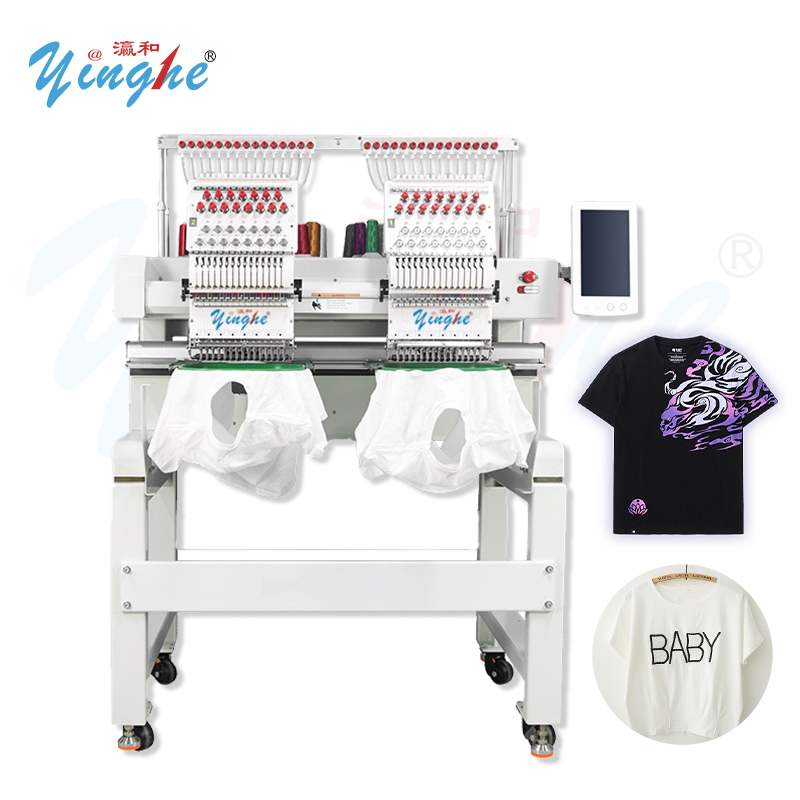
In the process of producing embroidery products on embroidery machines, the final appearance and durability of the embroidered products are not entirely determined by the level of the embroidery machine. Nor are they determined by the rotational speed and needle plate accuracy of the embroidery machine. The choice of embroidery thread is one of the biggest influencing factors. Whether the embroidery thread matches the embroidery process is usually the key factor determining the quality and production efficiency of the embroidered products. If the embroidery thread does not match the embroidery process, frequent thread breaks, uneven stitch patterns, water washing color fading, and pilling and balling of the embroidered products will occur.
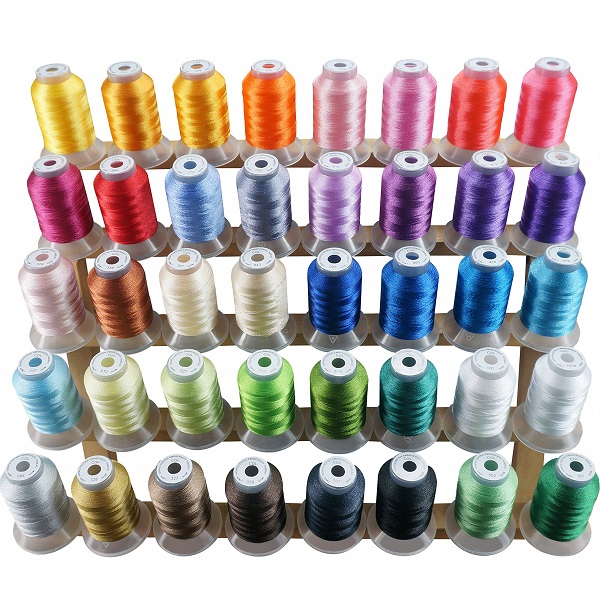
Currently, the main embroidery threads in the global embroidery machine embroidery market include the following three categories: polyester thread, artificial silk thread, and metal thread. These three types of embroidery threads have different materials, physical structures, equipment adaptability, and applicable embroidery processes. This article will explain the characteristics and application scope of these three types of embroidery threads. It will give you a preliminary understanding of these three types of embroidery threads. When you purchase embroidery threads, you can make a better choice of suitable embroidery threads.

I. Polyester Embroidery Thread: The most widely used and versatile thread
Composition of polyester thread: Polyester thread is mainly composed of high-toughness polyester fibers. Therefore, it has stable yarn force and uniform tension, and is the most versatile thread.
Performance characteristics of polyester thread: The tensile strength of polyester thread is sufficient to withstand repeated impacts during high-speed threading. The friction coefficient is low, and it is not prone to fraying or melting during continuous operation for a long time. Moreover, the color fastness of polyester thread is very good. It will not change color even after washing with water, industrial washing machines, ironing with an iron, or prolonged exposure to the sun. Polyester embroidery thread meets most international textile durability standards.
Suitable for various multi-head high-speed embroidery machines. No need to adjust standard process parameters to directly install on the machine.
Applicable process range: Clothing embroidery (Polo shirts, sweatshirts, hat decorations), industrial uniforms and protective clothing labels, home textile products (curtains, cushions, outdoor fabrics), daily textiles that need to be washed frequently
Disadvantages of polyester thread performance: The gloss of polyester thread is dull, and the gloss does not reach the height of natural silk. The touch is relatively crisp, and there is a flat texture when touched. It may cause needle steps to bulge on ultra-thin or high-elasticity fabrics, which is not suitable for custom categories that pursue visual luxury.
II. Artificial Silk Embroidery Thread (Viscose Fiber)
Composition of silk embroidery thread: Silk embroidery thread is made from recycled cellulose fibers and processed through a special twisting process. It is a viscose fiber.
Characteristics of artificial silk embroidery thread: The gloss of artificial silk embroidery thread is close to natural raw silk, presenting a soft and diffuse reflection effect. It is not dazzling but can show layering changes under different light angles. The thread body of artificial silk embroidery thread is slender and flexible, and has good adhesion to the fabric. Even under high-density stitch patterns, it can maintain a flat embroidery surface. The material of artificial silk embroidery thread usually has a high score in touch evaluation and is suitable for use as the surface thread for embroidery products that come into direct contact with the skin.
Suitable embroidery equipment for artificial silk embroidery thread: Artificial silk embroidery thread can be used in industrial embroidery machines. However, due to its insufficient toughness, it is recommended to adjust the rotational speed to 70%-80% of the normal value and appropriately reduce the tension on the upper line.
Main application scenarios of artificial silk embroidery thread: High-end custom fashion and dress decorations, wedding dresses, delicate patterns on headscarves, fine home accessories (silk cushions, bedding decorations), exhibition-level craftsmanship embroidery, or brand samples
Disadvantages and usage restrictions of artificial silk embroidery thread:
Artificial silk embroidery thread is relatively soft, has a low wear resistance, and is prone to fraying or broken strands in areas with frequent friction such as cuffs, collars, and elbows. It is not suitable for areas that require high visual luxury.
The color fastness of artificial silk embroidery thread is medium. It is not resistant to washing with water. Dark artificial silk embroidery thread will slightly turn white after multiple washes and requires a color-fixing process.
The production cost and purchase price of artificial silk embroidery thread are significantly higher than polyester thread. III. Metal Embroidery Thread
The material composition of metal embroidery thread: Metal embroidery thread is generally made of polyester as the base fabric, and is covered with a metal coating on the outer layer.
The characteristics of metal embroidery thread: The main function of metal thread is for decoration. It does not bear the structural strength in the embroidery composition and only serves for visual purposes. Under the illumination of light, the coating layer of the metal embroidery thread can produce mirror reflection or iridescent interference effects, which are visual effects that polyester and artificial silk do not possess. There are various types of metal embroidery thread, with a wide range of specifications, including solid color metal light, gradient polarized light, matte metal, and pearlescent metal, etc. They can be selected according to different design styles.
The color fastness of artificial silk embroidery thread is medium. It is not resistant to washing with water. Dark artificial silk embroidery thread will slightly turn white after multiple washes and requires a color-fixing process.
The production cost and purchase price of artificial silk embroidery thread are significantly higher than polyester thread. III. Metal Embroidery Thread
The material composition of metal embroidery thread: Metal embroidery thread is generally made of polyester as the base fabric, and is covered with a metal coating on the outer layer.
The characteristics of metal embroidery thread: The main function of metal thread is for decoration. It does not bear the structural strength in the embroidery composition and only serves for visual purposes. Under the illumination of light, the coating layer of the metal embroidery thread can produce mirror reflection or iridescent interference effects, which are visual effects that polyester and artificial silk do not possess. There are various types of metal embroidery thread, with a wide range of specifications, including solid color metal light, gradient polarized light, matte metal, and pearlescent metal, etc. They can be selected according to different design styles.