Many people love beautiful embroidered items. For example, embroidered hoodies, puffy logo beanies, and shiny sequin jackets. You may think, “I want to make these things myself.” I understand this feeling, because I started the same way.
But most new buyers do not know one simple truth. Small home embroidery machines cannot make many popular embroidery styles. I have seen many people waste money on the wrong machines. They end up with broken threads and bad finished work.
This guide helps you avoid common mistakes. It explains four common embroidery types: flat, sequin, chenille, and cord. You will learn exactly what machine you need for each style. All content is simple and real, with no false advertising.
Four Common Embroidery Styles: Simple Explanation
First, let’s clearly understand these four embroidery types. Each style creates a different look and texture for your products.
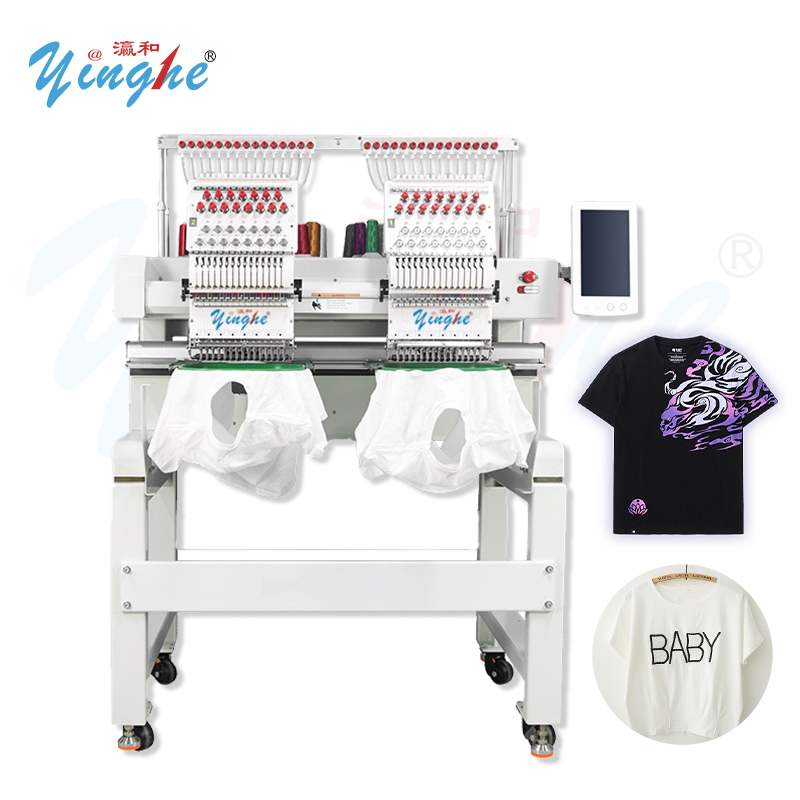
Flat Embroidery: This is the most basic and common embroidery style. You can see it on brand logos, team uniforms, and custom towels. The stitches are clean, simple, and suitable for most daily designs.
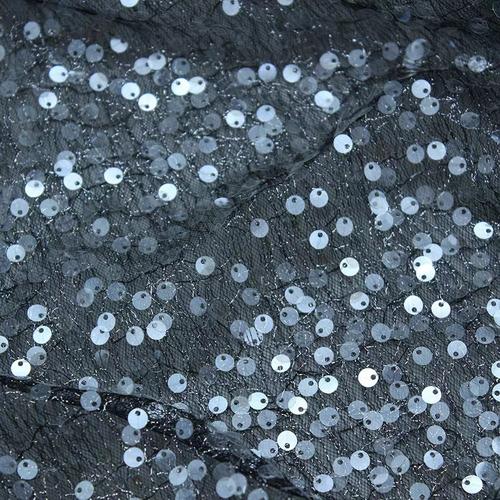
Sequin Embroidery: This style adds shiny sequins to fabric. It makes products more eye-catching. It is widely used for festival clothes, gift bags, and fashion jackets. Sequins can be small 2mm dots or large 9mm decorative pieces.
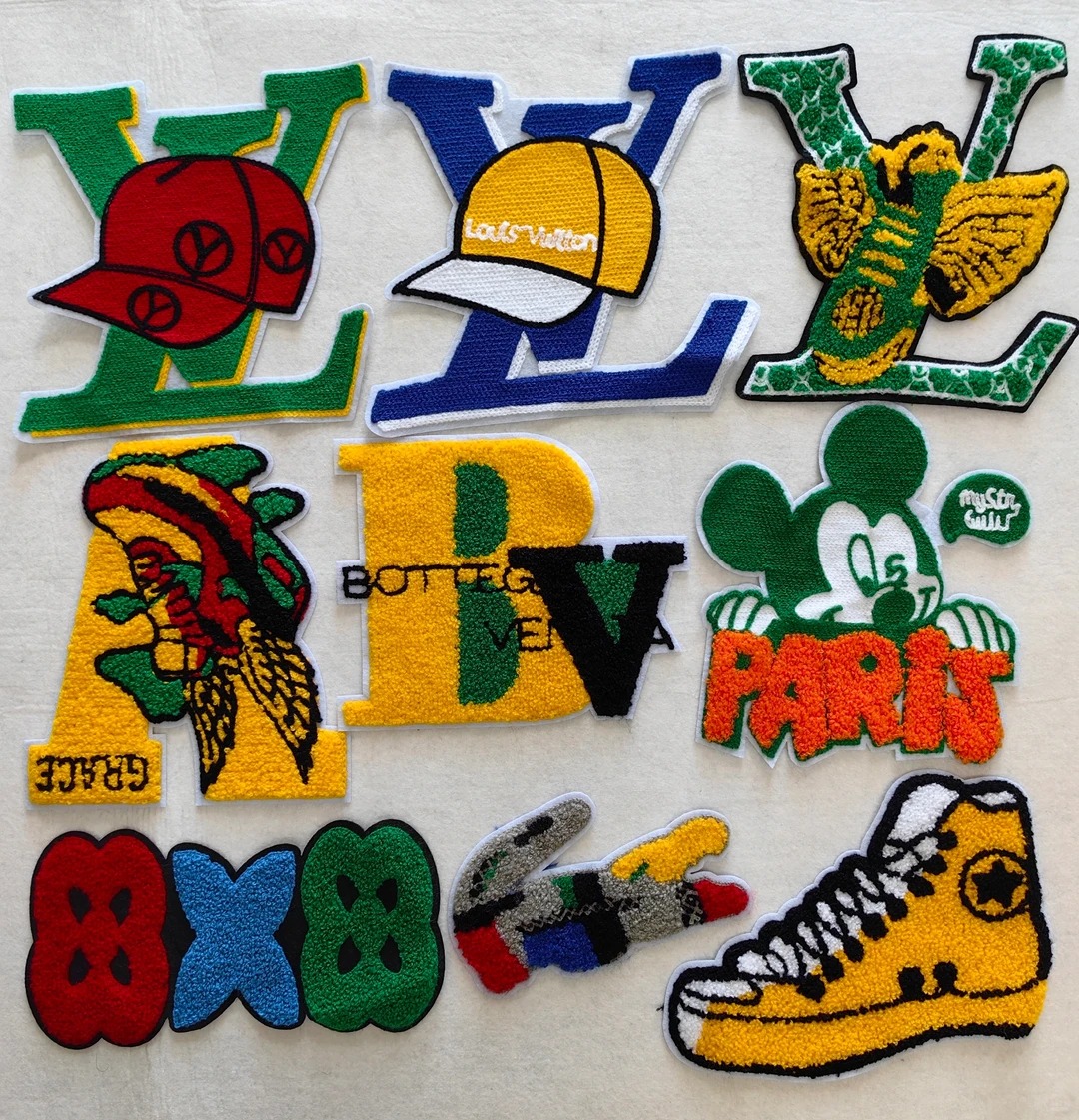
Chenille Embroidery: People also call it towel embroidery. It creates a soft, thick, and fuzzy texture. It is often used on hoodies, kid’s clothing, and baby blankets. The raised fluffy feeling makes products warm and stylish.
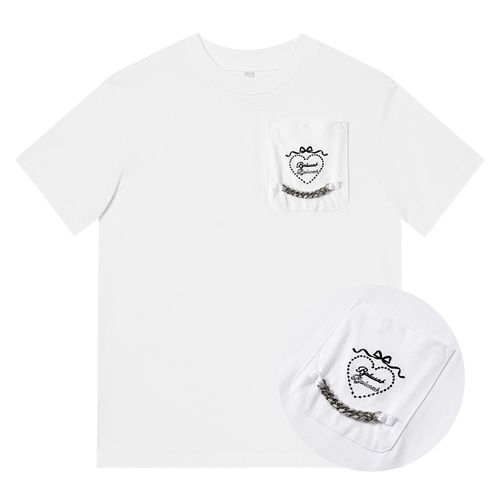
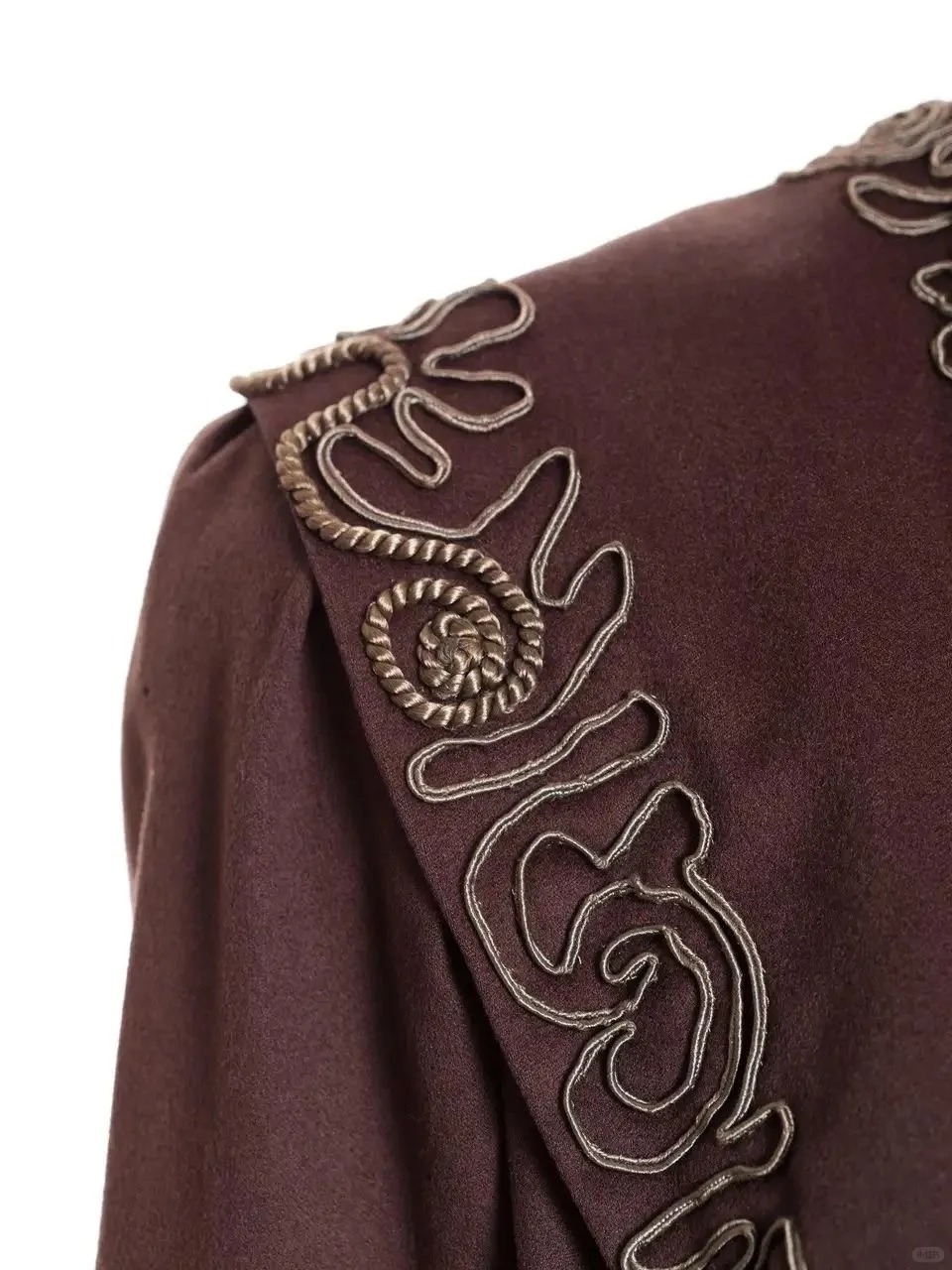
Cord Embroidery: This style creates 3D raised lines. The machine sews thick rope onto the fabric surface. It looks high-end and luxurious. It is popular for premium cap logos, fashion clothing, and decorative crafts.
Machine Requirement for Each Embroidery Style
Now let’s talk about machine matching. Each embroidery style needs specific machine support. You cannot use one basic machine for all work.
Flat Embroidery: Basic Entry-Level Work
If you are new to embroidery, or you mainly make simple custom T-shirts and hats, a standard flat embroidery machine is enough for you.
- What it makes: Basic logos, names, letters, and simple patterns.
- Best for: Beginners, hobby users, and small shops that take simple logo orders.
- Machine choices: Mini single-head home machines work for DIY practice. Commercial single-head machines can handle daily stable order production.
- Important limit: Flat embroidery machines only do flat stitches. They cannot make sequin, chenille, or cord embroidery. No hardware support means you cannot upgrade it later.
Sequin Embroidery: Make Shiny Custom Products
If you want to add sequin effects, you must use a machine that supports sequin functions.
- What it makes: The machine automatically feeds, cuts, and sews sequins onto fabric in one smooth process.
-Necessary part: The machine needs a sequin feeding device. This accessory holds the sequin roll, controls feeding speed, and cuts sequins accurately.
- Best for: Festival clothing, wedding accessories, and personalized gift products.
- Machine choices: You need a commercial single-head machine with sequin attachment support. Many commercial models allow you to add this part later.
- Hard limit: Mini home machines cannot support sequin work. Their motor and structure are too weak for sequin accessories.
Chenille Embroidery: Soft Fluffy Texture
The fluffy raised letters on hoodies are all chenille embroidery. This style needs completely different machine settings.
- What it makes: The machine uses special loop stitches to form thick, soft, towel-like fuzzy layers.
- Necessary part: It needs a professional chenille stitch head and independent thread feeding system. You cannot install this function on a normal flat machine.
- Best for: Custom hoodies, children’s clothes, and home textile products like blankets.
- Machine choices: You need an industrial single-head chenille machine. Only high-end industrial devices can switch between flat stitch and chenille stitch.
- Hard limit: Normal flat embroidery machines cannot make chenille texture at all.
Cord Embroidery: High-End 3D Effect
Cord embroidery creates clear raised 3D lines that improve product quality and texture.
- What it makes: The machine lays thick cord or rope on the fabric and fixes it with stitches to form stereo patterns.
- Necessary part: You need a special cord feeding accessory to avoid tangling and breaking during work.