2025-12-29
¿Qué hay que tener en cuenta a la hora de elegir máquinas de bordar industriales
¿Qué se debe tener en cuenta al elegir máquinas de bordado industriales?
Al elegir máquinas de bordado comerciales a gran escala, es necesario aclarar previamente algunos aspectos relacionados con los equipos de bordado industriales, como el equipo en sí, su fabricante y el impacto en la cadena de suministro. A continuación, analizaremos brevemente estos aspectos, con la esperanza de serle útil.
Al elegir máquinas de bordado comerciales a gran escala, es necesario aclarar previamente algunos aspectos relacionados con los equipos de bordado industriales, como el equipo en sí, su fabricante y el impacto en la cadena de suministro. A continuación, analizaremos brevemente estos aspectos, con la esperanza de serle útil.
1. Consideraciones clave para elegir equipos de bordado industriales
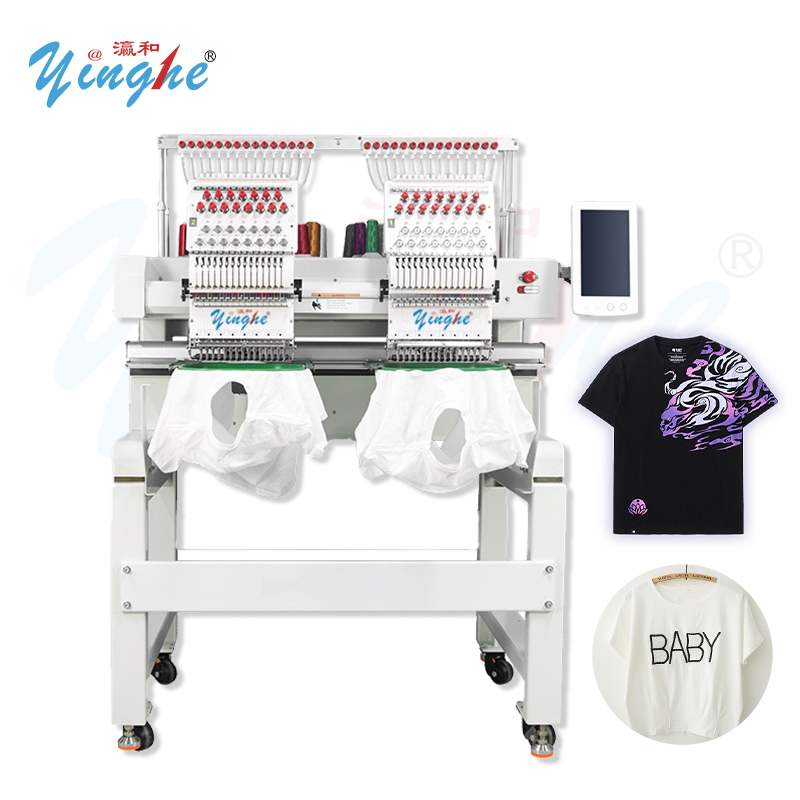
1.1. Adaptación a los escenarios de producción y las demandas: Priorice la definición de las categorías principales de bordado (como bordado plano, bordado de gorras, bordado de prendas) y los tamaños de lote, y elija equipos con gran adaptabilidad a las diferentes situaciones. Si se trata de bordados multicolor complejos, preste atención a la capacidad de cambio de color y a las configuraciones de las agujas; para la personalización de lotes pequeños, concéntrese en la capacidad de memoria y la flexibilidad de transferencia de archivos para evitar redundancia o insuficiencia funcional.
1.2. Consideración del equilibrio entre precisión y eficiencia: La alta precisión se basa en una transmisión mecánica estable y sistemas de control inteligentes. Compruebe la función de compensación de trazado de la aguja y los parámetros de precisión de posicionamiento. Para lograr la eficiencia, priorice la velocidad máxima y confirme si la calidad de los productos bordados se puede mantener a altas velocidades para evitar buscar ciegamente la alta velocidad en detrimento de la precisión.
1.3. Preste atención a la estabilidad y protección del equipo: La estabilidad afecta directamente la continuidad de la producción. Preste atención a funciones como la memoria de apagado y la detección de rotura de hilo; la protección de seguridad es fundamental. Priorice los modelos compatibles con rejillas infrarrojas y otros dispositivos de protección, y verifique también la calidad del material del cuerpo de la máquina y los componentes principales para reducir el riesgo de fallos y tiempos de inactividad.
1.4. Evalúe la comodidad y compatibilidad operativas: Priorice la elección de equipos con interfaces intuitivas, como pantallas táctiles, para reducir los costos de capacitación de los operadores; preste atención a la adaptabilidad del equipo a diferentes materiales (telas, cuero, etc.) y a la facilidad de reemplazo de accesorios. Además, confirme si es compatible con los formatos de archivo y métodos de transmisión convencionales para mejorar la eficiencia operativa.
1.5. Preste atención al servicio posventa y a los costos a largo plazo: Elija marcas con un servicio posventa completo, garantizando el suministro oportuno de repuestos y la respuesta a las reparaciones. Los costos a largo plazo deben considerar el consumo de energía, la dificultad de mantenimiento y la compatibilidad con los consumibles. Los modelos ecológicos y silenciosos pueden reducir los costos operativos y la presión del control ambiental. Los modelos con diseños modulares son más convenientes para el mantenimiento y las actualizaciones posteriores.
2. ¿Qué características deben tenerse en cuenta al elegir fabricantes de equipos de bordado industrial?
2.1. I+D y solidez tecnológica: Priorice la elección de fabricantes con equipos profesionales de I+D y control independiente de las tecnologías clave. Preste atención a sus reservas de patentes y capacidades de innovación tecnológica, por ejemplo, si dominan tecnologías clave como los accionamientos de alta velocidad y el control inteligente. Los fabricantes con experiencia en la elaboración de estándares industriales o con centros de I+D a nivel provincial o superior cuentan con tecnologías de producto más avanzadas y pueden adaptarse a futuras actualizaciones de las necesidades de producción.
2.2. Sistema completo de servicio posventa: Concéntrese en las capacidades de garantía posventa del fabricante, incluyendo si ofrecen políticas de garantía claras (como garantías a largo plazo para los componentes principales), redes nacionales de servicios de reparación y mecanismos de respuesta rápida (como tiempo de respuesta in situ para reparaciones de emergencia). Además, confirme si el fabricante cuenta con suficientes reservas de repuestos, ofrece capacitación operativa y orientación técnica para evitar interrupciones de la producción debido a fallas posteriores en los equipos.
2.3. Reputación de marca y presencia en la industria: Priorice la elección de fabricantes con buena reputación y una sólida presencia en la industria. Esto se puede verificar mediante evaluaciones de mercado, casos de uso y clasificaciones de la industria. Los fabricantes con una larga trayectoria y aquellos que han prestado servicios a grandes empresas comprenden mejor los problemas de la producción industrial, y sus diseños de productos se ajustan mejor a las necesidades reales, con una alta credibilidad de marca, lo que reduce los riesgos de adquisición y uso.
2.4. Capacidades de personalización y soporte técnico: Preste atención a si el fabricante cuenta con capacidades de servicio de personalización y puede ajustar las configuraciones de los equipos según los escenarios de producción especiales de los usuarios (como bordados de materiales especiales o requisitos funcionales personalizados). Asimismo, confirme si el fabricante puede proporcionar actualizaciones de software e iteraciones técnicas en el futuro para garantizar que el equipo siga siendo compatible con las actualizaciones e iteraciones de los procesos de producción.
2.5. Cumplimiento de los niveles de producción y control de calidad: Elija fabricantes
1.3. Preste atención a la estabilidad y protección del equipo: La estabilidad afecta directamente la continuidad de la producción. Preste atención a funciones como la memoria de apagado y la detección de rotura de hilo; la protección de seguridad es fundamental. Priorice los modelos compatibles con rejillas infrarrojas y otros dispositivos de protección, y verifique también la calidad del material del cuerpo de la máquina y los componentes principales para reducir el riesgo de fallos y tiempos de inactividad.
1.4. Evalúe la comodidad y compatibilidad operativas: Priorice la elección de equipos con interfaces intuitivas, como pantallas táctiles, para reducir los costos de capacitación de los operadores; preste atención a la adaptabilidad del equipo a diferentes materiales (telas, cuero, etc.) y a la facilidad de reemplazo de accesorios. Además, confirme si es compatible con los formatos de archivo y métodos de transmisión convencionales para mejorar la eficiencia operativa.
1.5. Preste atención al servicio posventa y a los costos a largo plazo: Elija marcas con un servicio posventa completo, garantizando el suministro oportuno de repuestos y la respuesta a las reparaciones. Los costos a largo plazo deben considerar el consumo de energía, la dificultad de mantenimiento y la compatibilidad con los consumibles. Los modelos ecológicos y silenciosos pueden reducir los costos operativos y la presión del control ambiental. Los modelos con diseños modulares son más convenientes para el mantenimiento y las actualizaciones posteriores.
2. ¿Qué características deben tenerse en cuenta al elegir fabricantes de equipos de bordado industrial?
2.1. I+D y solidez tecnológica: Priorice la elección de fabricantes con equipos profesionales de I+D y control independiente de las tecnologías clave. Preste atención a sus reservas de patentes y capacidades de innovación tecnológica, por ejemplo, si dominan tecnologías clave como los accionamientos de alta velocidad y el control inteligente. Los fabricantes con experiencia en la elaboración de estándares industriales o con centros de I+D a nivel provincial o superior cuentan con tecnologías de producto más avanzadas y pueden adaptarse a futuras actualizaciones de las necesidades de producción.
2.2. Sistema completo de servicio posventa: Concéntrese en las capacidades de garantía posventa del fabricante, incluyendo si ofrecen políticas de garantía claras (como garantías a largo plazo para los componentes principales), redes nacionales de servicios de reparación y mecanismos de respuesta rápida (como tiempo de respuesta in situ para reparaciones de emergencia). Además, confirme si el fabricante cuenta con suficientes reservas de repuestos, ofrece capacitación operativa y orientación técnica para evitar interrupciones de la producción debido a fallas posteriores en los equipos.
2.3. Reputación de marca y presencia en la industria: Priorice la elección de fabricantes con buena reputación y una sólida presencia en la industria. Esto se puede verificar mediante evaluaciones de mercado, casos de uso y clasificaciones de la industria. Los fabricantes con una larga trayectoria y aquellos que han prestado servicios a grandes empresas comprenden mejor los problemas de la producción industrial, y sus diseños de productos se ajustan mejor a las necesidades reales, con una alta credibilidad de marca, lo que reduce los riesgos de adquisición y uso.
2.4. Capacidades de personalización y soporte técnico: Preste atención a si el fabricante cuenta con capacidades de servicio de personalización y puede ajustar las configuraciones de los equipos según los escenarios de producción especiales de los usuarios (como bordados de materiales especiales o requisitos funcionales personalizados). Asimismo, confirme si el fabricante puede proporcionar actualizaciones de software e iteraciones técnicas en el futuro para garantizar que el equipo siga siendo compatible con las actualizaciones e iteraciones de los procesos de producción.
2.5. Cumplimiento de los niveles de producción y control de calidad: Elija fabricantes
Fabricantes con completas cualificaciones de producción y certificaciones de calidad de la industria, y examinan su escala de producción y sistemas de control de calidad. Los fabricantes estandarizados cuentan con procesos de producción estandarizados y estrictos procedimientos de inspección de calidad, lo que garantiza la estabilidad de la calidad de los equipos. Al mismo tiempo, es necesario confirmar que los productos cumplen con las normas de protección ambiental, seguridad y otras normas de la industria para evitar futuros riesgos de incumplimiento.
3. Introducción de Yinghe: Guangdong Yinghe Electronic Instrument Co., Ltd. (www.yinghevip.com) se fundó en 2002. Es una empresa moderna de equipos de alta tecnología que integra I+D, producción y ventas, y es también el único supermercado internacional de equipos en China con una plataforma de comercio electrónico transfronterizo. Tras años de desarrollo, la empresa ha construido una red global de producción y servicio, con más de 140 centros de almacenamiento profesionales en todo el mundo. Sus productos se venden a más de 200 países y regiones, y su escala, variedad de productos y nivel de servicio se encuentran a la vanguardia de la industria nacional.
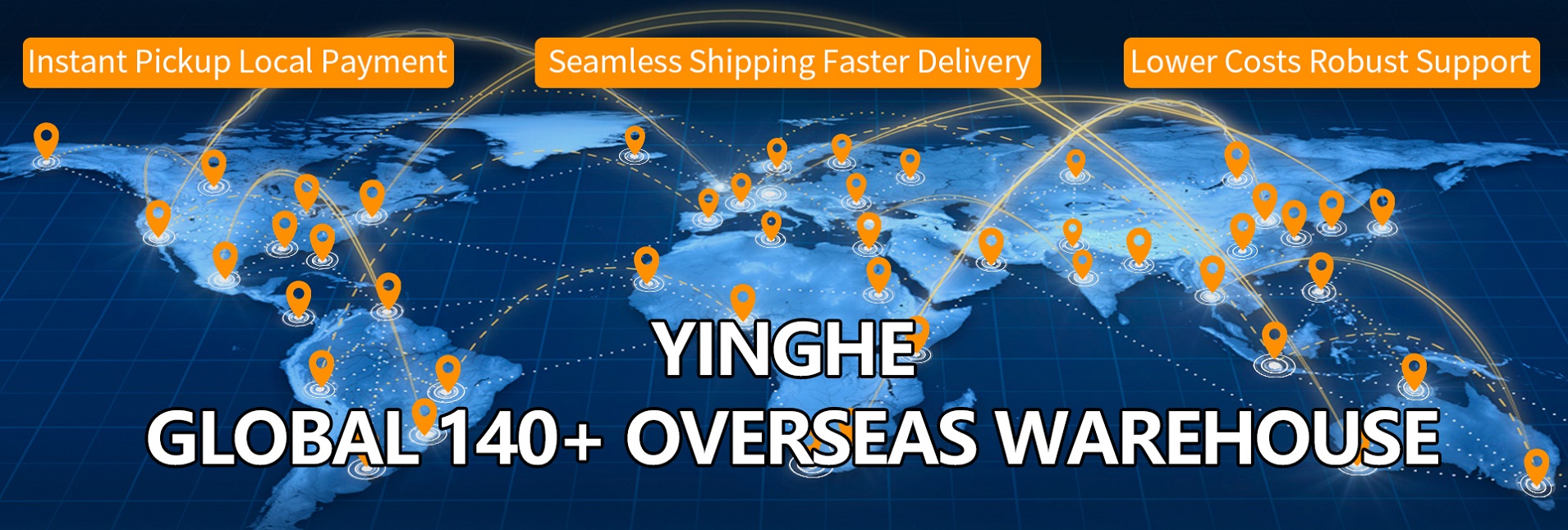
Yinghe cuenta con más de 140 almacenes locales en todo el mundo, donde almacenamos localmente piezas de máquinas de bordado industriales, herramientas de mantenimiento y materias primas necesarias para la producción de bordados. Esto le permite resolver sus problemas de bordado en un solo lugar. 4. Contáctenos
1. Contáctenos para obtener el precio de fábrica del equipo y el precio con descuento de la materia prima.
2. Contáctenos para conocer el inventario de equipos, piezas y materias primas en su ubicación.
1. Contáctenos para obtener el precio de fábrica del equipo y el precio con descuento de la materia prima.
2. Contáctenos para conocer el inventario de equipos, piezas y materias primas en su ubicación.