How to digitize complex patterns and perform machine embroidery
How to digitize complex patterns and perform machine embroidery?
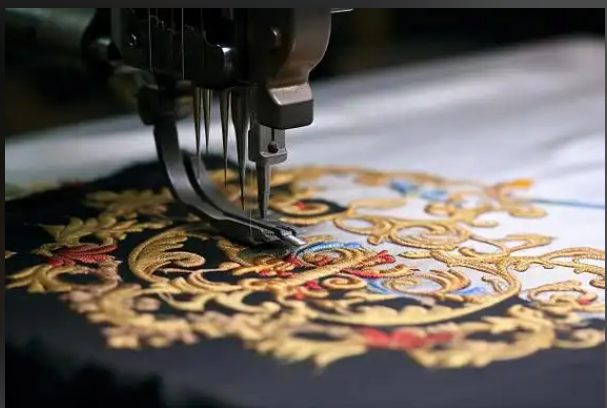
Embroidery machines cannot directly convert images into embroidery patterns. Complex patterns need to be digitized first and then imported into the embroidery machine before they can be machine-embroidered. The process of digitizing an image is called "plate making".
Complete Digitizing Process for Embroidery Machines (8 Standard Steps + Core Tips)
Embroidery digitizing (also known as "pattern making/tape punching") is the core process of converting designed patterns into digital instructions executable by embroidery machines. It directly determines embroidery precision, aesthetics, and production efficiency. Below is the standard 8-step process applicable to mainstream computerized embroidery machines, including key parameter settings and troubleshooting guides

Essential tools for embroidery digitizing include: professional pattern making software, a high-definition monitor, and a digitizer (optional, to improve outlining accuracy).
I. Pre-Digitizing Preparation (Critical for Subsequent Efficiency)
Before starting, clarify the four core parameters to avoid repeated modifications:
|
Preparation Item |
Specific Requirements |
Impact Explanation |
|
Pattern Source File |
Vector graphics (AI/CDR/EPS) are preferred; raster images must be high-definition (PNG/JPG ≥ 300 dpi) |
Vector graphics can be scaled infinitely without stitch distortion; raster images require prior editing to remove noise |
|
Embroidery Product Information |
Fabric material (cotton/linen/leather/sheer fabric), finished product size, application (apparel/home textiles/LOGO) |
Reduce stitch density for sheer fabrics, adjust needle depth for leather, and ensure text clarity for LOGOs |
|
Machine Parameters |
Number of needles (6/9/12), supported file formats (DST/EMB/PES), maximum hoop size |
The number of needles determines the color limit; the file format must match the machine (DST is the universal standard) |
|
Process Requirements |
Special effects (sequin/towel/cord embroidery), three-dimensionality, color matching scheme (Pantone color codes recommended) |
Special processes require calling corresponding stitch libraries; color matching must align with thread color cards |