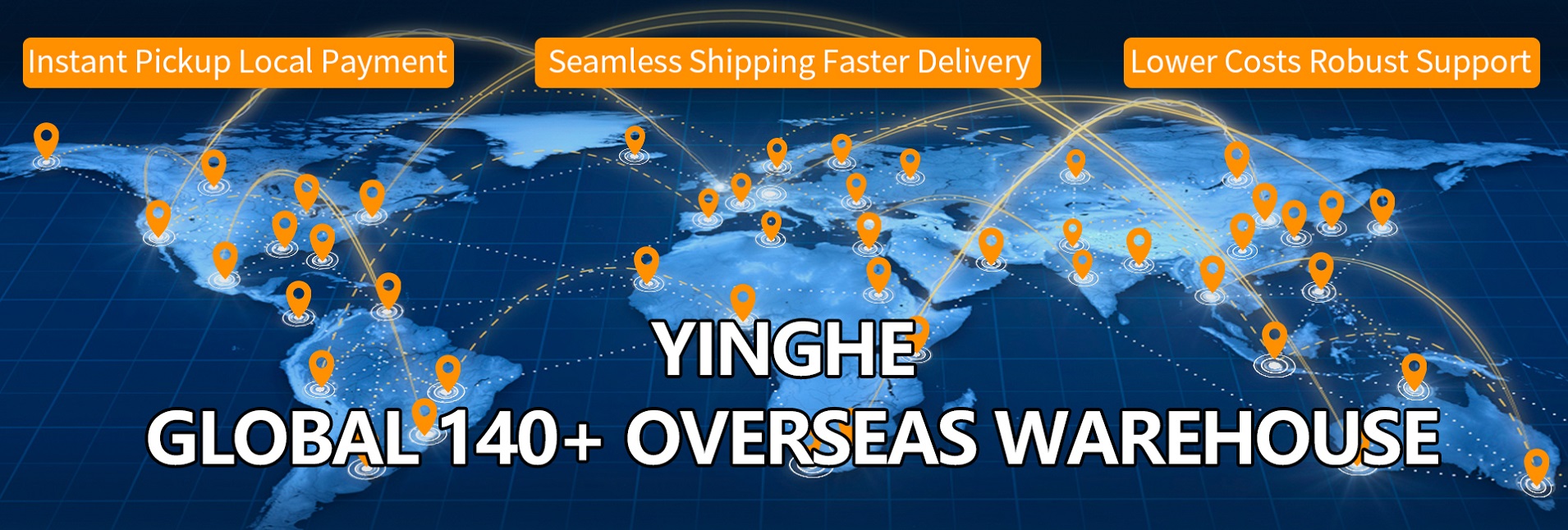
Yinghe Modern Meavy Duty Industrial Embroidery Machine
Yinghe Modern Meavy Duty Industrial Embroidery Machine
When selecting a commercial large-scale embroidery machine, we need to clarify key considerations in advance, including the equipment itself, manufacturers of embroidery equipment, and supply chain impacts. Below is a brief analysis of the above aspects to assist you.
1. Core Considerations for Industrial Embroidery Equipment Selection
1.1 Match Production Scenarios and Needs: First, define your core embroidery categories (e.g., flat embroidery, cap embroidery, garment embroidery) and batch size to choose equipment with strong scenario adaptability. For complex multi-color embroidery, focus on color change capability and needle configuration; for small-batch customization, prioritize memory capacity and file transfer flexibility to avoid redundant or insufficient functions.
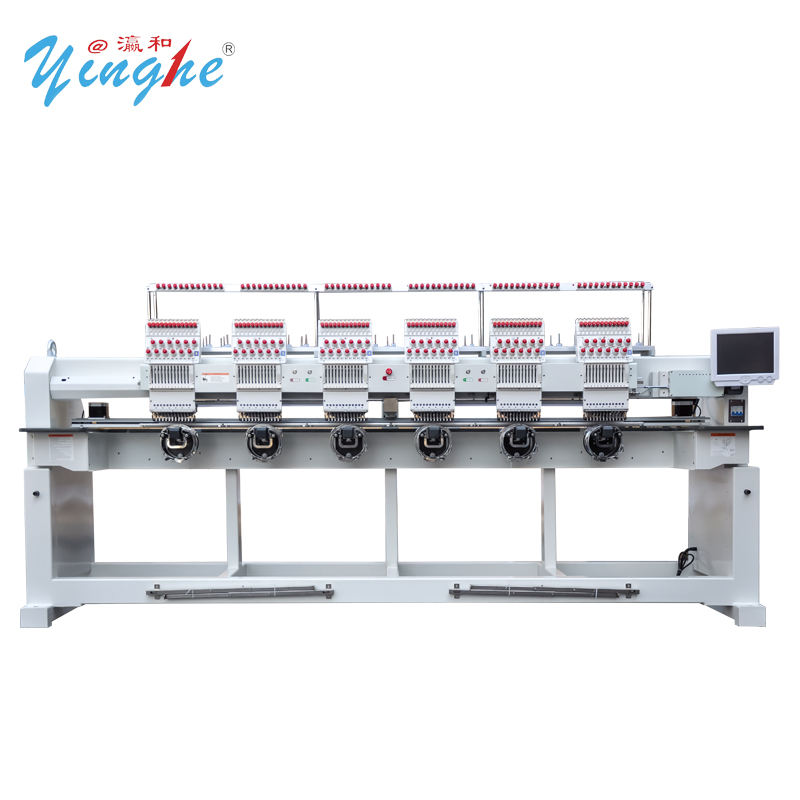
1.2 Balance Precision and Efficiency: High precision relies on stable mechanical transmission and intelligent control systems, so check stitch compensation functions and positioning accuracy parameters. For efficiency, focus on the maximum speed while ensuring consistent embroidery quality at high speeds, avoiding blind pursuit of speed over precision.
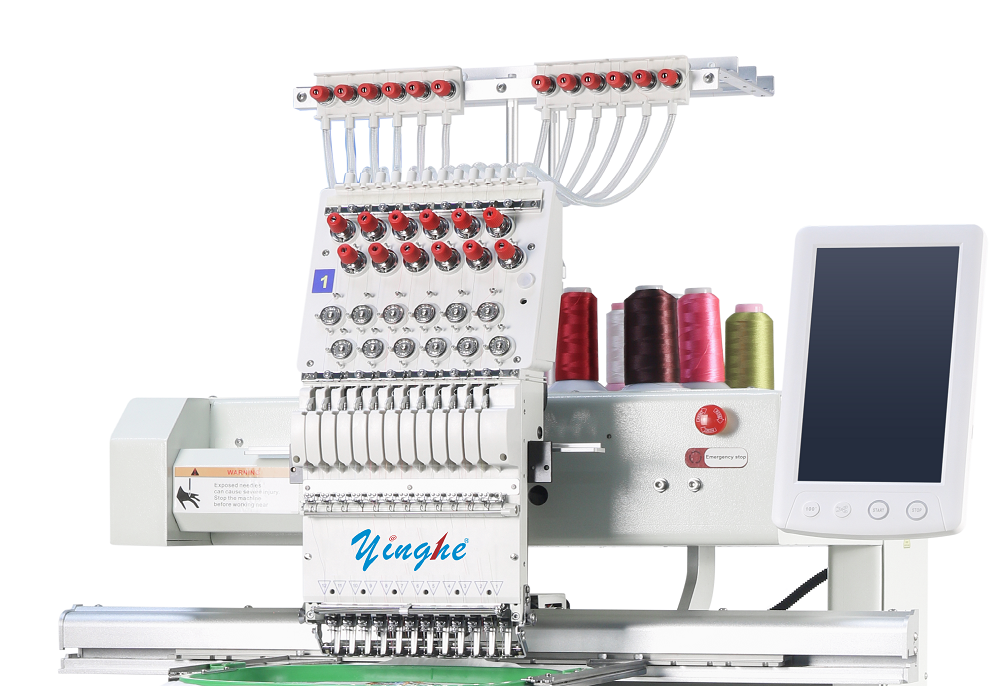
1.3 Prioritize Equipment Stability and Protection: Stability directly affects production continuity, so pay attention to protective functions such as power-off memory and thread breakage detection. Safety protection is indispensable—prefer models with infrared light curtain protection devices, and inspect the machine body material and core component quality to reduce downtime risks.
1.4 Evaluate Operational Convenience and Adaptability: Choose equipment with intuitive interfaces like touchscreens to lower training costs. Check its adaptability to different materials (fabric, leather, etc.) and the ease of accessory replacement, and confirm compatibility with mainstream file formats and transmission methods to improve operational efficiency.
1.5 Focus on After-Sales Service and Long-Term Costs: Select brands with comprehensive after-sales service to ensure timely accessory supply and maintenance responses. For long-term costs, consider energy consumption, maintenance difficulty, and consumable compatibility; environmentally friendly and low-noise models reduce operational costs and environmental regulatory pressure, while modular designs facilitate future maintenance and upgrades.
2. Key Features of Manufacturers to Consider When Choosing Industrial Embroidery Equipment
2.1 R&D and Core Technology Strength: Prioritize manufacturers with professional R&D teams and independent core technologies, and pay attention to their patent reserves and technological innovation capabilities, such as mastery of key technologies like high-speed drive and intelligent control. Manufacturers with experience in drafting industry standards or provincial-level or higher R&D centers offer more forward-looking products to adapt to future production upgrades.
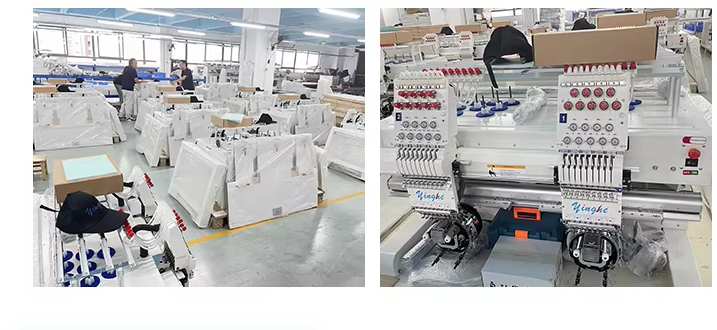
2.2 Comprehensive After-Sales Service System: Focus on the manufacturer’s after-sales support, including clear warranty policies (e.g., long-term warranty for core components), a nationwide maintenance network, and rapid response mechanisms (e.g., on-site emergency repair timelines). Confirm sufficient accessory reserves, operational training, and technical guidance to avoid production halts due to equipment failures.
2.3 Brand Reputation and Industry Experience: Choose manufacturers with a good industry reputation and rich experience, verified through market reviews, user cases, and industry rankings. Long-established manufacturers that have served large enterprises better understand industrial production pain points, design more practical products, and reduce procurement and usage risks with high brand credibility.
2.4 Customization and Technical Support Capabilities: Check if the manufacturer offers customized services to adjust equipment configurations for special production scenarios (e.g., special material embroidery, personalized functional needs). Confirm ongoing software upgrades and technical iterations to ensure long-term compatibility with production process updates.