
Mastering Hot Stamping Machines: A Comprehensive Guide to Definitions, Applications, Processes, Operation, and Management
Hot Stamping Process is a classic surface decoration technology. It has a beautiful metallic texture and long-lasting decoration effect. It is widely used in many fields such as packaging, printing, gifts and DIY crafts. It is used for high-end packaging customization in commercial production. It is also used for creative decoration in personal handcrafts. The hot stamping machine plays an important role in both cases. Now, we will explain all knowledge about hot stamping machines in the given order. We will start from basic understanding and move to practical application. This will help you quickly master the key points of hot stamping technology.
I. What is a Hot Stamping Machine?
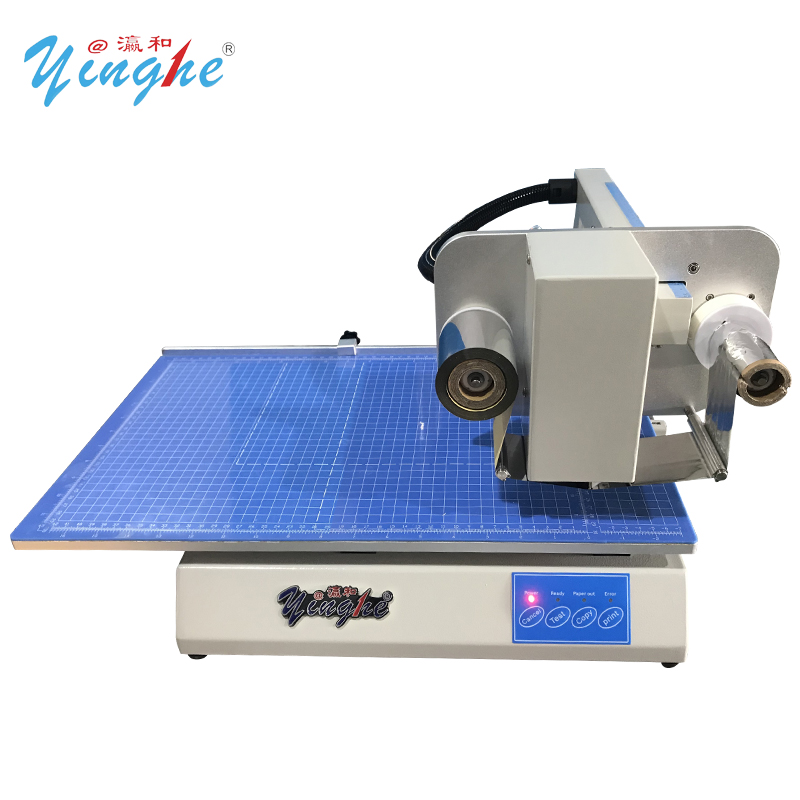
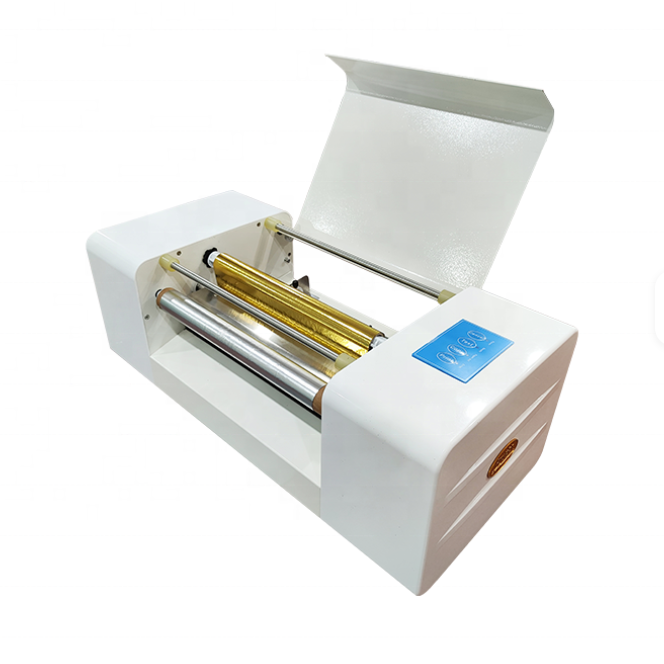
A hot stamping machine, full name thermal transfer hot stamping machine, is a kind of mechanical equipment. It uses the principle of heat and pressure. It transfers the metal layer (or pigment layer) on the hot stamping foil to the surface of the substrate. It can achieve decorative effects. Its main working principle is as follows: The heated plate (hot stamping plate) presses the hot stamping foil onto the substrate. Heat melts the adhesive layer of the hot stamping foil. At the same time, pressure helps the metal layer stick to the substrate. After cooling, peel off the hot stamping foil. Finally, a clear and bright hot stamping pattern or text will form on the surface of the substrate.
There are many types of hot stamping machines. They can be divided by automation level into manual, semi-automatic and full-automatic hot stamping machines. They can be divided by use into flat, curved and special-shaped hot stamping machines (for irregular substrates). They can be divided by heating method into electric heating and infrared heating hot stamping machines. Different types of hot stamping machines are suitable for different scenarios and needs. They range from small manual models for personal DIY to large full-automatic models for commercial mass production. They can meet the needs of different users.
II. What Can a Hot Stamping Machine Do?
The main function of a hot stamping machine is to add metallic texture (gold, silver, copper, laser, etc.) decorative effects to various substrates. It can improve the grade and beauty of products. Its application scenarios cover many fields of life and business. They are mainly divided into the following categories:
1. Commercial Production Sector (Core Use)
This is the most important application scenario of hot stamping machines. It is mainly used to improve the high-end feeling of product packaging and printed matter. It can also enhance product competitiveness:
- Packaging industry: It includes food packaging (gift boxes, mooncake boxes, chocolate boxes), cosmetics packaging (bottle bodies, packaging boxes), gift packaging (handbags, gift boxes) and electronic product packaging (mobile phone boxes, earphone boxes). Hot stamping can highlight brand logos and patterns. It can improve the grade of packaging.
- Printing industry: It includes book binding (cover and spine hot stamping), greeting cards, invitations, posters, leaflets, trademarks, certificates and business cards. Hot stamping replaces traditional ink printing. It can achieve more beautiful visual effects.
- Other industries: It includes clothing accessories (trademark and collar label hot stamping), leather products (wallet and leather bag logo hot stamping), stationery (notebook covers, pen shells) and building materials (wallpaper, decorative panels). Hot stamping can enrich the decorative layers of products.
2. Personal DIY Sphere (Niche but Useful)
With the rise of handcraft DIY, small manual hot stamping machines have become necessary tools for many craft lovers. They are mainly used for:
- Handicraft creation: It is used for personalized hot stamping decoration of hand accounts, greeting cards, invitations and envelopes. It can create exclusive texture.
- Personalized customization: It is used for hot stamping logos or patterns on small items such as T-shirts, canvas bags and key chains. It can make unique gifts.
- Small-scale entrepreneurship: Handicraft studios can undertake small-batch customized orders (such as wedding invitations and birthday card hot stamping). It has low threshold and quick results.
3. What materials and equipment are required for the hot stamping process?
The completion of hot stamping process needs core equipment and supporting materials. Different use scenarios (commercial/DIY) need different specifications of materials and equipment. They are specifically divided as follows:
(I) Core Equipment
1. Equipment Required for Commercial Production
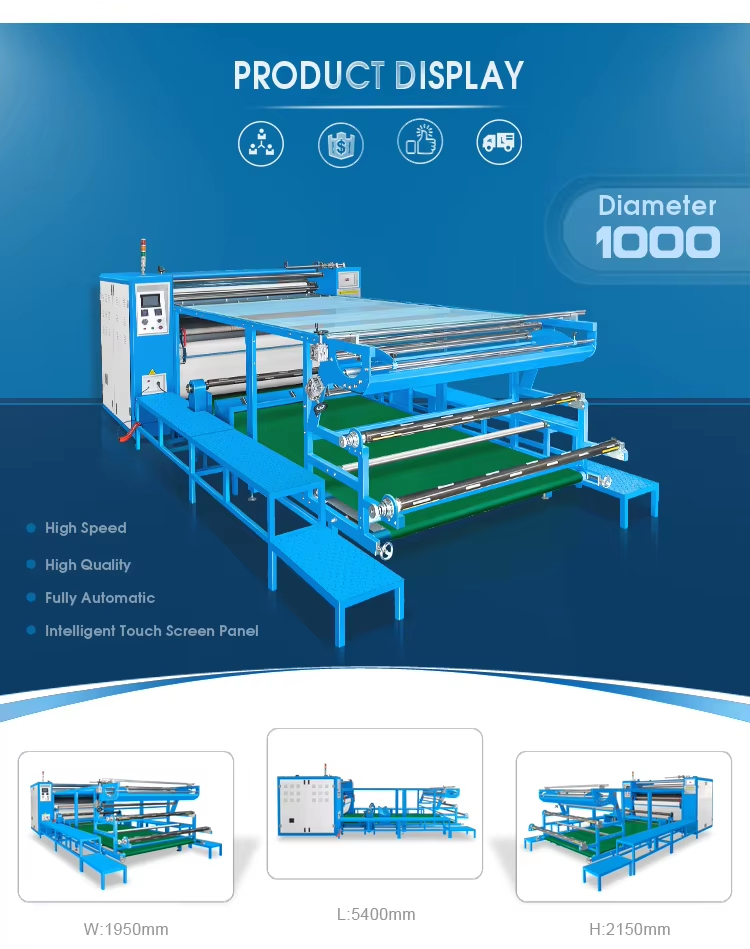
- Hot stamping machines: They are mainly semi-automatic and full-automatic. They can be used with assembly lines. They have functions of precise temperature control, pressure control and speed regulation. They are suitable for mass production. For example, flat full-automatic hot stamping machines and die-cutting hot stamping integrated machines (they can do both die-cutting and hot stamping, which improves efficiency).
- Auxiliary equipment: They include hot stamping plate making equipment (such as engraving machines for making personalized hot stamping plates), substrate conveying equipment and cooling equipment (they speed up the solidification of hot stamping layers and improve efficiency).
2. Equipment Required for Personal DIY Projects
- Small manual hot stamping machines: They are small in size, easy to operate and affordable. They are suitable for individuals and small studios. They are divided into desktop manual models (for flat substrates) and hand-held models (for curved and special-shaped substrates).
- Auxiliary tools: They include small positioners (to ensure accurate hot stamping position), tweezers (to pick up hot stamping foil) and cleaning cloths (to clean hot stamping residues).
(II) Core Materials
- Hot stamping foil: It is the core material. It is composed of base film (PET film), release layer, color layer (metal layer or pigment layer) and adhesive layer. It can be divided by color into gold foil, silver foil, laser foil, color foil, etc. It can be divided by material into metal hot stamping foil (such as copper foil and aluminum foil) and non-metal hot stamping foil (such as pigment foil). You need to choose suitable hot stamping foil according to the substrate material (for example, cloth needs special cloth hot stamping foil, and paper needs general paper hot stamping foil).
- Hot stamping plate: It is used to carry hot stamping patterns/text and transfer heat and pressure. In commercial production, most of them are metal plates (copper plates and zinc plates, which are wear-resistant and high-precision, suitable for mass production). In personal DIY, most of them are resin plates (which are cheap and easy to make, suitable for small-batch and personalized patterns).
- Substrate: You need to choose materials with flat surface, high temperature resistance and ability to stick to hot stamping foil. Common materials include paper, cardboard, leather, cloth, plastic, wood, metal, etc. (Note: Rough and easy-to-deform substrates are not suitable for hot stamping).
- Auxiliary materials: They include high-temperature tape (to fix hot stamping foil and substrate and prevent displacement), release agent (some substrates need to be coated to facilitate the peeling of hot stamping foil) and cleaning agent (to clean stains on the hot stamping machine plate and substrate surface).
IV. What is the workflow for hot stamping?
The main process of hot stamping is the same. Both commercial mass production and personal DIY follow the steps of "preparation → debugging → hot stamping → cooling → cleaning". The only difference is the level of automation. The specific details are as follows:
1. Preliminary Preparation (A critical step that affects the hot stamping results)
First, make clear the hot stamping needs (pattern, color, substrate material). Prepare the corresponding hot stamping machine, hot stamping foil, hot stamping plate and substrate. Check if the hot stamping machine works normally. Clean the stains on the plate and workbench. Install the hot stamping plate on the heating plate of the hot stamping machine and fix it firmly. Cut the hot stamping foil into appropriate size (slightly larger than the hot stamping pattern to avoid missing stamping).
2. Equipment Commissioning (Core Parameter Control)
Adjust the main parameters of the hot stamping machine according to the substrate material and hot stamping foil type: Temperature (usually 80-150℃, 80-100℃ for paper, 100-150℃ for leather and plastic), pressure (moderate, too much pressure will damage the substrate, too little pressure will make hot stamping not firm), time (hot stamping residence time, usually 1-3 seconds, adjusted according to the material). Put the substrate on the workbench and fix its position with a positioner to ensure the hot stamping pattern is accurate.
3. Hot Stamping Operation
Cover the hot stamping foil on the target position of the substrate. Make sure it is flat and free of wrinkles. Start the hot stamping machine. The heating plate descends and presses the hot stamping plate on the hot stamping foil and substrate. Keep the set time and pressure. When the time is up, the heating plate rises. Wait for 1-2 seconds (slight cooling) and gently peel off the hot stamping foil. At this time, the hot stamping pattern has been transferred to the substrate.
4. Cooling and Solidification
Put the hot stamped substrate on the cooling table. Cool it naturally for 3-5 minutes (or use cooling equipment to speed up cooling). Make sure the hot stamping layer is completely solidified. This can avoid falling off and blurring.
5. Post-processing Cleanup and Inspection
Check the hot stamping effect. If there are problems such as missing stamping, blurring and falling off, adjust the parameters (temperature, pressure, time) and re-stamp. Clean the residual hot stamping foil on the hot stamping machine plate and wipe the workbench. Sort out the remaining hot stamping foil and materials. Do a good job in equipment maintenance (turn off the power and clean the dust).
V. Guidelines for Commercial Operations and Personal DIY Use of Hot Stamping
The use scenarios of hot stamping technology are different. Its operation points, precautions and operation logic are also very different. Now, we will give detailed use guides for commercial operation and personal DIY respectively:
(I) Commercial Use Guidelines (Suitable for Studios and Factories)
1. Equipment Selection
Choose equipment according to the production scale: For small-batch orders (less than 1000 pieces per day), you can choose a semi-automatic hot stamping machine. It has high cost performance. For large-batch orders (more than 5000 pieces per day), it is recommended to choose a full-automatic hot stamping machine. Use it with an assembly line to improve efficiency. If you have many types of substrates (flat, curved), you can match multiple types of hot stamping machines to meet diverse needs.
2. Cost Control
Buy hot stamping foil, hot stamping plates and other materials in bulk to reduce the unit price. Adjust the equipment parameters reasonably to reduce the waste of hot stamping foil (avoid hot stamping failure caused by improper parameters). Optimize the work process to reduce labor costs (for example, full-automatic equipment can reduce operators). Maintain the equipment regularly to extend its service life and reduce maintenance costs.
3. Client Liaison and Order Management
Make clear the customer's needs (pattern, color, substrate, batch, delivery time). Make samples in advance. Start mass production only after confirmation. Establish an order account to track the production progress. Ensure on-time delivery. Provide after-sales guarantee (such as rework if the hot stamping effect is unqualified). Improve customer satisfaction and accumulate repeat customers.
4. Precautions
Operators need professional training. They should be familiar with equipment operation and parameter adjustment to avoid operation errors. Keep the workshop ventilated to avoid safety hazards caused by high temperature environment. When storing hot stamping foil, keep it away from high temperature and humid environment to prevent deterioration. Check the equipment lines and heating plate regularly to avoid equipment failure.
(II) Personal DIY User Guide (Suitable for Craft Enthusiasts and Small-Scale DIY Studios)
1. Equipment Selection
Priority is given to small manual hot stamping machines (desktop models, price 100-500 yuan). They are easy to operate and small in size. They are suitable for home and small spaces. If you need to hot stamp curved surfaces (such as cups and bottles), you can match a hand-held hot stamping machine. You don't need to buy complex auxiliary equipment. Just prepare simple tools such as positioners and tweezers.
2. Key Operational Points
For beginners, it is recommended to start with simple patterns (text, small icons) to be familiar with parameter adjustment. When hot stamping, the substrate should be flat. The hot stamping foil should be covered evenly to avoid wrinkles. Parameter adjustment should follow the principle of "from low to high" (for example, set the temperature to 80℃ first. If the hot stamping is not firm, increase it gradually). Avoid damaging the substrate due to high temperature. When peeling off the hot stamping foil, move gently and slowly to avoid tearing the pattern.
3. Material Selection and Storage
For personal DIY, it is recommended to choose general-purpose hot stamping foil (mainly gold and silver foil, which is affordable and has strong adaptability). The substrate should be paper, cardboard, canvas and other easy-to-operate materials. Cut the hot stamping foil into small pieces to avoid waste. When storing, put the hot stamping foil and hot stamping plate in a dry and cool place to avoid direct sunlight.
4 Creative Expansion and Pitfall Avoidance Techniques
You can match an engraving machine to make personalized resin hot stamping plates to achieve exclusive pattern hot stamping. Try to match different colors of hot stamping foil (such as gold foil + laser foil) to create unique effects. Tips to avoid mistakes: Do not hot stamp on rough and soft substrates (the effect is poor). Do not adjust parameters frequently to avoid equipment damage. Cool the substrate in time after hot stamping to prevent pattern falling off.
Hot stamping machines are highly valuable in the fields of decorative items and DIY. It works well for high-end packaging customization in commercial production. It also works well for creative DIY projects. It is easy to operate for different people. Businesses can use it to make more money in large quantities. People doing DIY can use it to make more kinds of crafts. You just need to learn its basic definition, uses, work process and operation skills. Then you can use it well and get many benefits from it. If you want to start a business in hot stamping, you can choose a machine that fits your business size. You can use the hot stamping technology’s high-end feature to open up markets like packaging and printing. This can help you stand out from others. If you like doing handcrafts and want to make your works more beautiful, a small manual hot stamping machine is enough. It is easy to use and can make your handcrafts look more elegant. If you need anything about hot stamping—like buying machines, asking about the technology or ordering hot stamping work—you can take action now. You can find many ways to use hot stamping. You can make your products and crafts better with small details. Then you can get more praise and value.