
2026-02-24
A Review of Inkjet Printing Technology: Principles, Applications and Quality Control
What is Inkjet Printing?
Inkjet printing is a digitally controlled non-contact imaging technology that reproduces images and text by precisely ejecting micron-scale ink droplets onto the surface of a substrate. Boasting excellent color performance, media adaptability and equipment cost advantages, inkjet printing has been widely applied in home and office use, commercial printing, publish-on-demand (POD) and industrial manufacturing. This paper systematically elaborates on the working principles, key technical classifications, typical application scenarios, consumable systems and process essentials for achieving high-quality output of inkjet printing, aiming to provide a comprehensive technical reference for practitioners and technology enthusiasts.
1. Introduction
Since its birth in the mid-20th century, inkjet printing has undergone technological evolution from continuous inkjet to drop-on-demand inkjet, and now has become one of the mainstream technical approaches in the digital printing field. Its core advantages include no need for printing plates, variable data printing, high color reproduction fidelity and compatibility with a variety of substrates. With the development of micro-electro-mechanical systems (MEMS) technology and ink chemistry, the resolution of inkjet printing has reached thousands of DPI (dots per inch), and its application boundaries are constantly expanding.
2. What is the Principle of Inkjet Printing?
The imaging process of inkjet printing can be summarized as follows: digital image data is converted into control signals through RIP (raster image processing), which drives the actuating elements in the print head, making the ink in the ink chamber form microdroplets and eject them onto the media surface at a high speed, and continuous tones are formed through the precise landing of ink droplets. According to the ink droplet generation method, the mainstream technologies are divided into two categories: thermal inkjet and piezoelectric inkjet.
2.1 Thermal Inkjet Technology
Thermal inkjet technology was first commercialized by HP and Canon in the 1980s. Its principle is to integrate a micro heating resistor inside the nozzle of the print head. When a pulse current passes through, the resistor heats up instantaneously (>300℃), vaporizing the ink in contact with it to form bubbles; the pressure generated by bubble expansion pushes the ink droplets out of the nozzle, after which the bubbles collapse and the ink is refilled. This technology features a simple structure and low cost, but has high requirements for the thermal stability of ink, and the cycle life of heating elements is limited.
2.2 Piezoelectric Inkjet Technology
Piezoelectric inkjet technology is represented by Epson's "multi-layer piezoelectric element". It utilizes the characteristic that piezoelectric ceramics undergo mechanical deformation under the action of an electric field, and a piezoelectric actuator is arranged on the side wall or bottom of the ink chamber. When a voltage is applied, the actuator produces bending or shear deformation, squeezing the chamber to eject ink droplets. This technology enables more precise control over the volume and flight direction of ink droplets, supports complex fluids such as pigment inks and UV inks, and has a long nozzle life. However, it requires a higher driving voltage, leading to a corresponding increase in system complexity.
3. What are the Application Scenarios of Inkjet Printing?
The applications of inkjet printing have expanded from traditional document output to the entire industrial production process, which can be divided into the following dimensions by market:
-
Office and home applications: Color document and photo printing for SOHO and individual users, mainly in A4/A3 formats, emphasizing color reproduction and operational convenience.
-
Publishing and printing: Digital publish-on-demand (POD) enables zero inventory and printing from a single copy, suitable for short-run books, personalized picture albums and academic monographs, with high-speed continuous paper inkjet printing machines as the representative technology.
-
Commercial printing: Covering advertising photo printing, art reproduction, personalized packaging and label printing, requiring high precision, a wide color gamut and media diversity.
-
Industrial manufacturing: Depositing functional inks or decorative patterns directly on textiles, ceramics, glass, metals and electronic components through inkjet technology, such as digital textile printing, ceramic inkjet printing, and PCB (printed circuit board) character printing.
4. What Consumables are Needed for Inkjet Printing? What Printing Equipment can Perform Inkjet Printing?
4.1 Consumable Composition
-
Ink: Classified by colorant type into dye-based inks (molecularly dissolved, bright in color, poor weather resistance) and pigment-based inks (particle-dispersed, light and water resistant, long storage time); classified by solvent system into water-based inks (for absorbent media), solvent-based inks (for non-absorbent media, requiring a matching drying system) and UV-curable inks (curing instantaneously, suitable for a variety of substrates).
-
Printing substrates: In addition to ordinary copy paper, inkjet-specific media usually include ink-receptive coatings, such as RC (resin-coated) photo paper, high-gloss photo paper, acid-free cotton paper for fine art inkjet printing, as well as various industrial substrates (textile pre-treated cloth, coated metal sheets, etc.).
4.2 Main Equipment Types
-
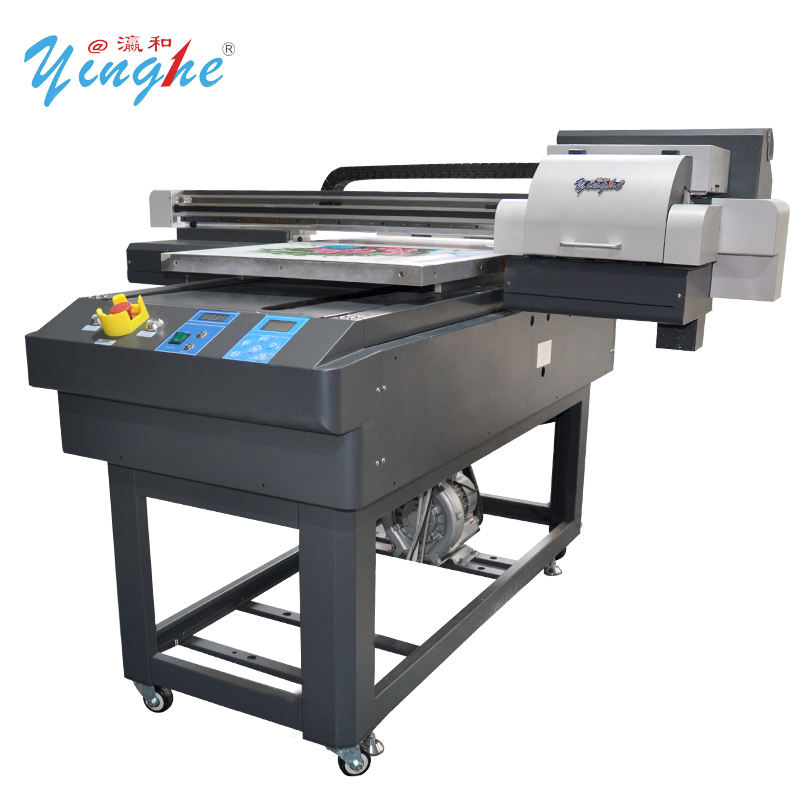
Desktop inkjet printers: Mostly adopt integrated cartridge or ink tank supply systems, typical products include Epson L series, Canon G series and HP Smart Tank series, with a resolution of 4800×1200 DPI or above.
-
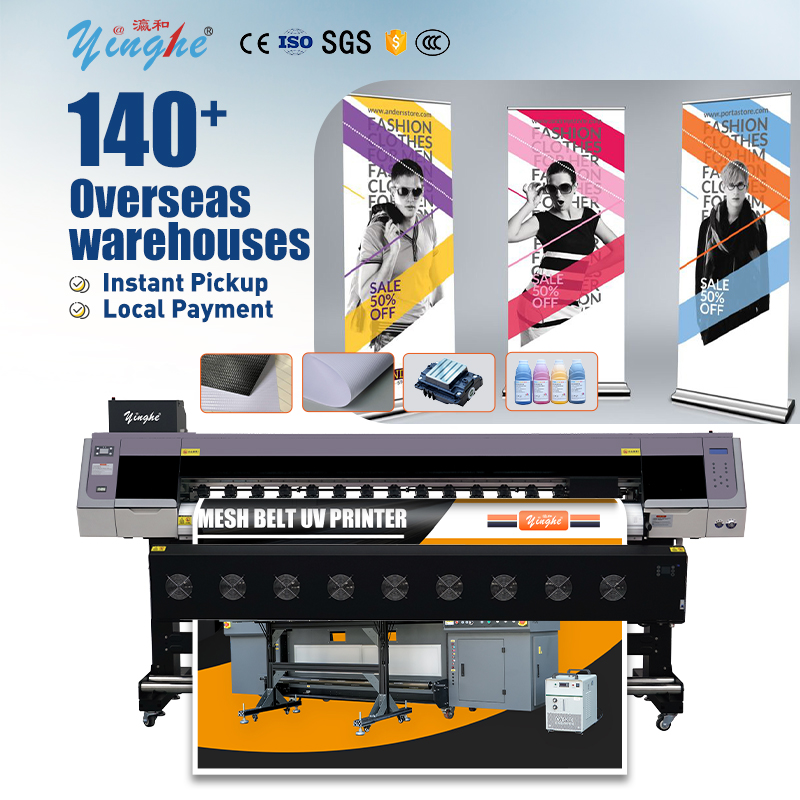
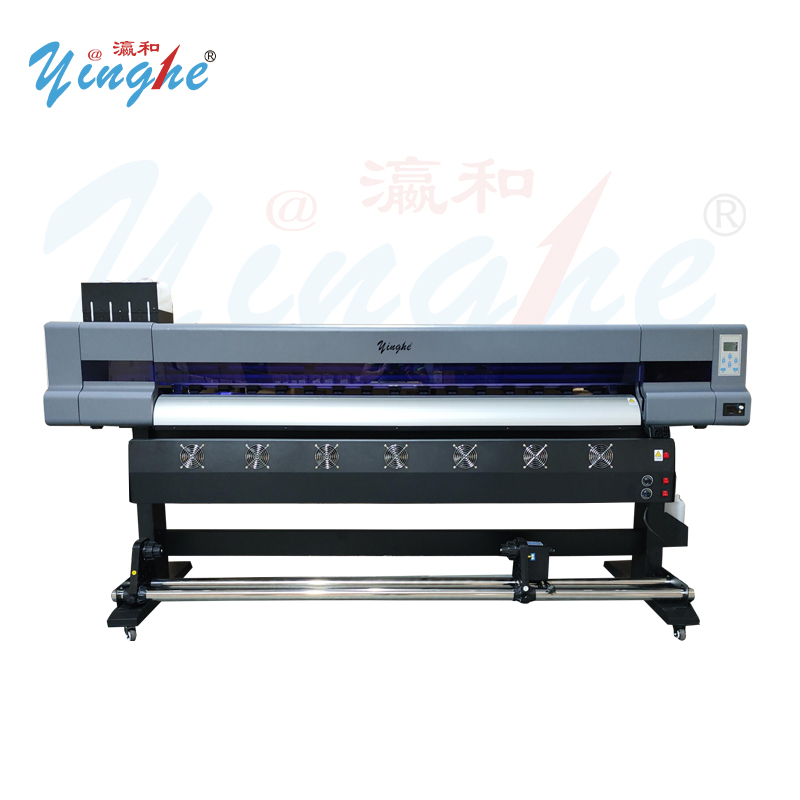
Wide-format inkjet printers: Used for engineering drawings, posters and art output, with a width ranging from 44 inches to 5 meters, equipped with pigment or dye-based inks.
-
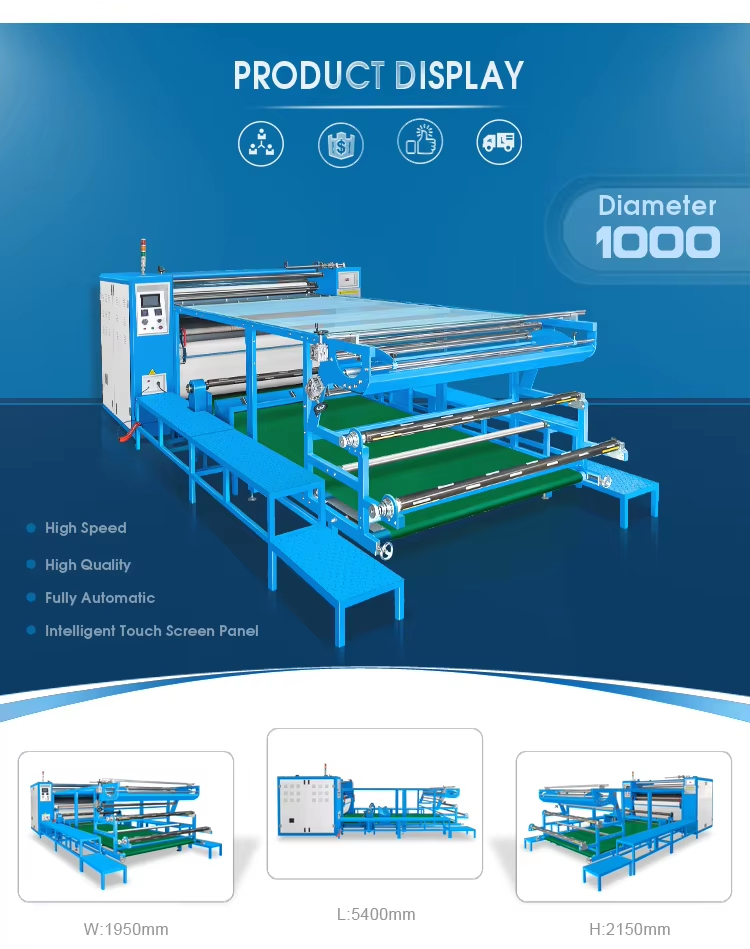
Industrial digital printing machines: Integrating high-precision printing modules and automated transmission systems, used for mass production of coiled or sheet materials, such as single-pass inkjet printing machines for corrugated paper printing and digital textile printing machines (belt type/scanning type).
5. How to Achieve High-Quality Inkjet Printing?
Obtaining stable and high-quality printing output requires multi-dimensional control from image processing, equipment calibration, media matching and environmental maintenance.
5.1 Source Image Resolution
Output resolution depends on the matching of printing line screen (LPI) and image resolution (PPI). For photo-level output, it is recommended that the source image resolution is not less than 300 PPI (calculated according to the actual printing size) to ensure sharp details.
5.2 Printing System Calibration
-
Nozzle calibration: Adjust the ejection time and position deviation of each color channel through the built-in program to eliminate color misregistration (ghosting).
-
Color management: Based on ICC color profile, match the color space of the display (RGB) with that of the printer (CMYK) to achieve "what you see is what you get". It involves display calibration, printer linearization and the generation and application of output profiles.
-
Printing mode selection: Select draft, standard or high-quality mode according to requirements. In high-quality mode, bidirectional printing is usually adopted to reduce the ink droplet spacing and increase the number of overlapping prints.
5.3 Media and Ink Matching
The ink absorption rate and coating characteristics of different media directly affect the spreading and fixing effects of ink droplets. Accurately set the media type (such as "glossy photo paper", "heavy matte paper") in the printer driver, and the driver software will automatically adjust the ink volume and drying time. For special media, custom media presets may be required.
5.4 Nozzle Maintenance
Nozzle clogging caused by ink volatilization is a common source of failure. It is recommended to print at least once a week to keep the ink path unobstructed; nozzle sealing protection should be performed when the printer is out of use for a long time. When color missing or line breakage occurs in printing, use the "print head cleaning" program in the driver to remove blockages by positive pressure ink extraction or ultrasonic vibration. Avoid using inferior ink to prevent agglomeration of pigment particles or bubble generation.
6. Conclusion
With its digital, non-contact and high-precision characteristics, inkjet printing technology is continuously penetrating into the traditional printing and emerging manufacturing fields. Understanding its technical principles, rationally selecting consumables and establishing standardized operating procedures are the keys to ensuring the stability of output quality. With the continuous progress of MEMS nozzle technology, functional ink development and automatic control, the application potential of inkjet printing in cutting-edge fields such as microelectronics and bioprinting is also worthy of expectation.