
Sublimation Printing: Exclusive Customization Tool for Chemical Fiber and Coated Materials
Whether you are a DIY enthusiast creating exclusive trendy products or a small-batch entrepreneur expanding custom business, choosing the right printing technology can often get twice the result with half the effort. Today, I want to recommend the "golden partner" for chemical fiber fabrics and coated hard materials — sublimation (heat transfer) printing.
It accurately solves the pain point of easy peeling and fading of traditional printed patterns, allowing every creativity to be retained for a long time.
What is the core difference between sublimation printing and ordinary printing?
Many people can't tell the difference between sublimation printing and ordinary printing. The core gap lies in the "degree of integration".
The magic of sublimation printing is that it can make the pattern deeply "coexist" with the substrate, rather than simply adhering to it. The principle is very simple: through high temperature of 180-220℃, the special ink undergoes sublimation reaction, directly converting from solid state to gas state.
It penetrates into the surface of the material and completes color fixation after cooling, completely avoiding the thickness and peeling hidden danger of traditional printing.
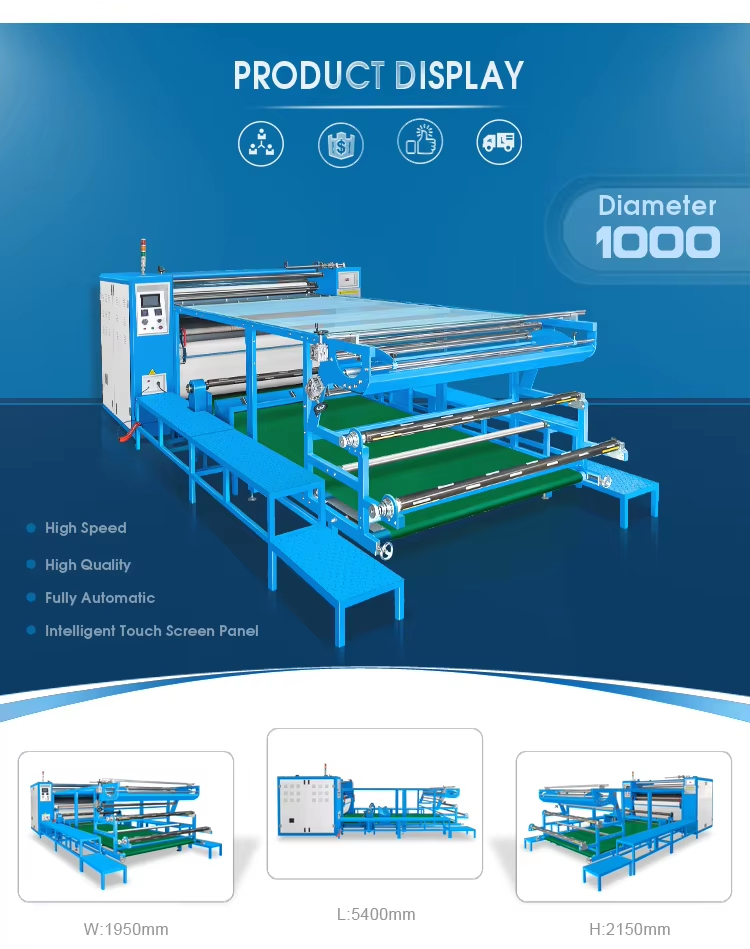
It is mainly divided into two forms: direct sublimation printing and transfer paper transfer. They are suitable for different scene needs and can be easily used for both mass production and personal DIY.
How to choose the core consumables for sublimation printing?
A workman must first sharpen his tools. The core consumable for sublimation printing is water-based sublimation ink (also known as disperse dye ink).
As the mainstream choice for piezoelectric printers, its ultra-fine particle size can not only adapt to large industrial equipment, but also be compatible with household desktop piezoelectric nozzles, taking into account professionalism and practicality.
However, there are skills in choosing ink. Mastering 4 key points can help you avoid most pitfalls.
Have you mastered the 4 key points for choosing sublimation ink?
First, match the nozzle. For piezoelectric 5th/7th generation heads, choose ink with an average particle size < 0.5μm, otherwise it is easy to have problems such as skew printing and nozzle clogging, affecting printing accuracy.
Second, focus on core performance. Prefer ink with high transfer rate, washing fastness of 4-5 levels and strong light resistance. High transfer rate means less residual ink and more ink saving.
High fastness can ensure that the pattern does not fade after multiple washes and does not turn yellow after exposure to the sun.
Third, recognize the applicable materials. This is the most critical point — sublimation is only suitable for polyester/chemical fiber fabrics and coated hard materials such as ceramics, metals, glass and PVC with sublimation coating.
Do not use it for cotton, linen, silk and nylon materials, otherwise sublimation color fixation cannot be achieved.
Finally, do not mix use. Mixing original ink with other brands or non-original ink is prone to chemical reactions. Before replacing ink, you must clean the pipeline with special cleaning fluid.