Por qué la impresión DTG sigue siendo un motor en 2026: La guía completa
La impresión Directa a la Prenda (DTG) ha revolucionado el mundo de la personalización textil. En una era donde la moda rápida se encuentra con la hiperpersonalización, la tecnología DTG se sitúa en la intersección de la calidad y la conveniencia. Mientras navegamos por 2026, te preguntarás si este método de impresión digital sigue manteniéndose firme frente a tecnologías más nuevas como la impresión Directa a la Película (DTF). Spoiler: absolutamente sí.
En este artículo, desglosaremos qué es la impresión DTG, cómo funciona y las cuatro razones clave por las que sigue siendo una opción popular para empresas y creadores en 2026.
¿Qué es una Impresora DTG?
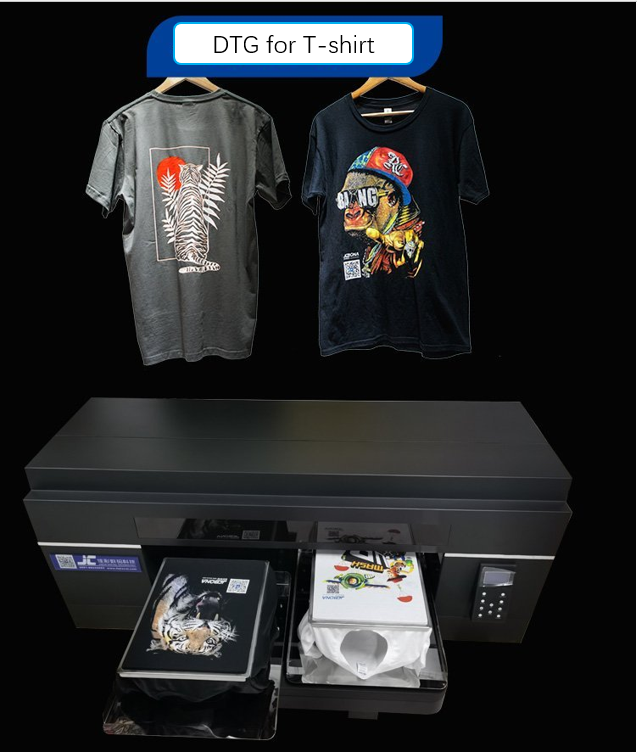
Una impresora Directa a la Prenda (DTG) es una impresora de inyección de tinta especializada que imprime diseños directamente sobre textiles, comúnmente camisetas de algodón, sudaderas y bolsas de tela. Piensa en ella como tu impresora de oficina estándar, pero en lugar de disparar tinta sobre una hoja de papel, deposita gotas microscópicas de tinta dentro de las fibras de una tela.
La tecnología DTG utiliza tintas a base de agua que son ecológicas y están diseñadas para unirse a la tela a nivel molecular. Debido a que imprime digitalmente, no se necesita la compleja configuración requerida por los métodos tradicionales. Esto permite la reproducción de imágenes intrincadas de calidad fotográfica con millones de colores en una sola pasada.
El Flujo de Trabajo de una Impresora DTG
Entender el proceso es clave para apreciar el valor del DTG. Si bien los equipos se han vuelto más sofisticados en 2026 —con automatización y software integrado— el flujo de trabajo fundamental sigue siendo un proceso preciso de tres actos:
1. Diseño y Pretratamiento
Todo comienza con un archivo digital. Una vez que tu ilustración está lista, un software RIP especializado la convierte a un formato imprimible. Sin embargo, antes de que la tinta toque la tela, ocurre un paso crítico: el pretratamiento. Se aplica una solución a base de polímeros en el área de la prenda. Esto actúa como un agente de unión, asegurando que la tinta se adhiera a las fibras y no se corra, lo cual es especialmente vital para prendas de color oscuro. En 2026, muchas impresoras industriales cuentan con sistemas de pretratamiento automatizados para ahorrar mano de obra y garantizar la consistencia.
2. Impresión
Después del pretratamiento y un prensado rápido para aplanar la tela, la prenda se coloca en un plato de impresión. La impresora entonces se pone a trabajar. Para camisetas oscuras, la impresora coloca primero una capa de tinta blanca para actuar como base, seguida de la capa de color CMYK para crear la imagen final. Para camisetas claras, se omite la tinta blanca y los colores se aplican directamente sobre la tela.
3. Curado
El paso final es el curado. Una vez impresa, la prenda se pasa por una prensa de calor o un túnel de secado. Este calor activa los agentes de unión en la tinta y el pretratamiento, fijando el diseño en la tela. Cuando se hace correctamente, el resultado es una impresión vibrante y lo suficientemente duradera para soportar numerosos lavados.
4 Razones por las que una Impresora DTG Sigue Siendo Popular en 2026
Con el auge del DTF y otros métodos híbridos, ¿por qué el DTG continúa prosperando? La respuesta está en cuatro ventajas distintas que se alinean perfectamente con las demandas del mercado actual.
1. Adecuada para la Personalización
Vivimos en la era de la "Unidad Única". Los consumidores ya no quieren usar lo que todos los demás usan; quieren diseños únicos, ediciones limitadas y cumplimiento rápido.
DTG es el único método de impresión que hace rentable la producción de una sola pieza. A diferencia de la serigrafía, que requiere tarifas de configuración para las pantallas, o incluso el DTF, que requiere hacer transferencias por lotes, DTG te permite imprimir una camiseta, enviarla e imprimir inmediatamente un diseño completamente diferente en la siguiente. Esto se integra perfectamente con las plataformas de comercio electrónico e impresión bajo demanda, permitiendo a las empresas probar nuevos diseños sin riesgo de inventario.
2. Impresiones de Alta Calidad
Cuando se trata de detalles, DTG es el campeón indiscutible. Debido a que utiliza tecnología digital de inyección de tinta, puede reproducir degradados, sombras y texto pequeño que otros métodos simplemente no pueden manejar.
Ya sea que necesites imprimir una fotografía de alta definición o una pieza compleja de arte digital, DTG la reproduce con precisión. Presume la capacidad de usar colores ilimitados sin ningún costo adicional ni tiempo de configuración, una hazaña logísticamente imposible con la serigrafía tradicional.
3. Una Sensación Suave al Tacto
Quizás la característica más celebrada de DTG es la textura del producto final. Debido a que las tintas a base de agua son absorbidas dentro de la tela en lugar de reposar sobre ella, la impresión resulta en un acabado lujoso y suave.
En 2026, los consumidores están más conscientes de las telas que nunca. Quieren comodidad. Las impresiones DTG a menudo se describen como "suaves como la mantequilla" o "transpirables", lo que significa que apenas puedes sentir el diseño en tu piel. Esta es una gran ventaja sobre la sensación gruesa y plástica de algunas transferencias de vinilo o serigrafía, y a menudo se prefiere sobre la textura ligeramente elevada de las impresiones DTF.
4. Fuerte Durabilidad
Existe un mito persistente de que "suave" es igual a "frágil". En el mundo del DTG moderno, eso es falso. Cuando los procesos de pretratamiento y curado se ejecutan correctamente, las impresiones DTG son increíblemente duraderas.
Las impresiones DTG están diseñadas para durar toda la vida de la prenda, envejeciendo con gracia a medida que la tela se desvanece o desgasta naturalmente. Con el cuidado adecuado, estas impresiones pueden soportar 50 lavados o más sin agrietarse o pelarse significativamente. Esta durabilidad hace del DTG una opción confiable para las marcas que quieren que su calidad sea recordada mucho después de la compra.
¿Es el DTG adecuado para tu negocio?
Si bien el DTG es poderoso, no es una solución única para todos los escenarios. Aquí te mostramos cómo decidir si integrar DTG es la decisión correcta para tu modelo de negocio en 2026: